Welcome to PEPLA!
We hope the following pages will answer some of your questions about our educational outreach...
From the President
Peer education is an effective strategy in global HIV/AIDS prevention. There is an identification by age, gender, culture, profession and socio-demographics. PEP/LA has demonstrated remarkable success with trained multi-cultural youth (13-24 years) peer educators who share life-saving messages with their peers in high schools, probation centers, residential facilities and diverse youth organizations. Teens listen to teens; there is a common denominator of academic responsibilities, emotional maturity and adolescent concerns. The PEP/LA peer educators lead informal discussions on sexuality, decision-making and negotiation skills. They provide realistic techniques for resisting peer pressure to engage in the risk-taking behaviors associated with HIV/AIDS.
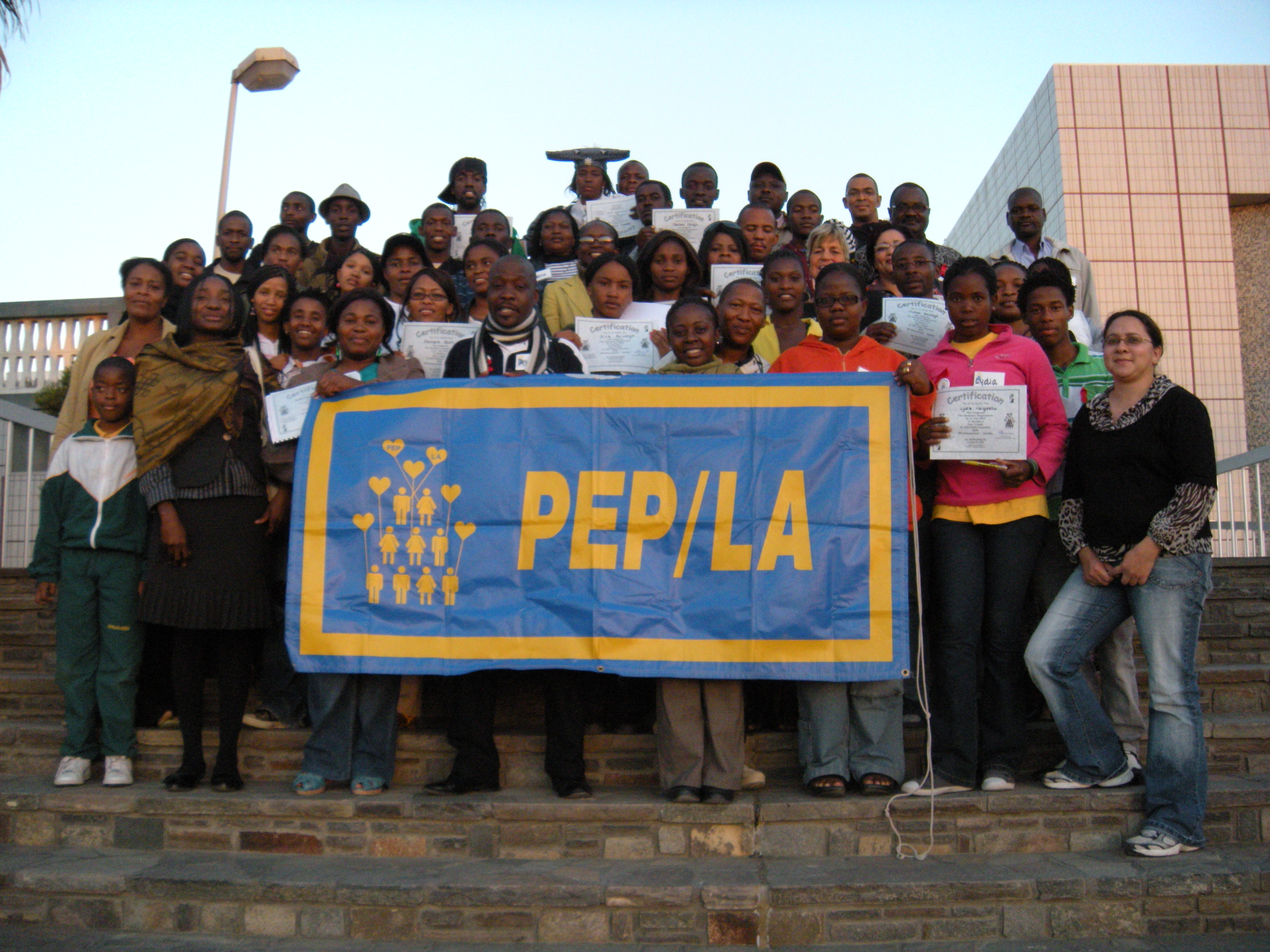
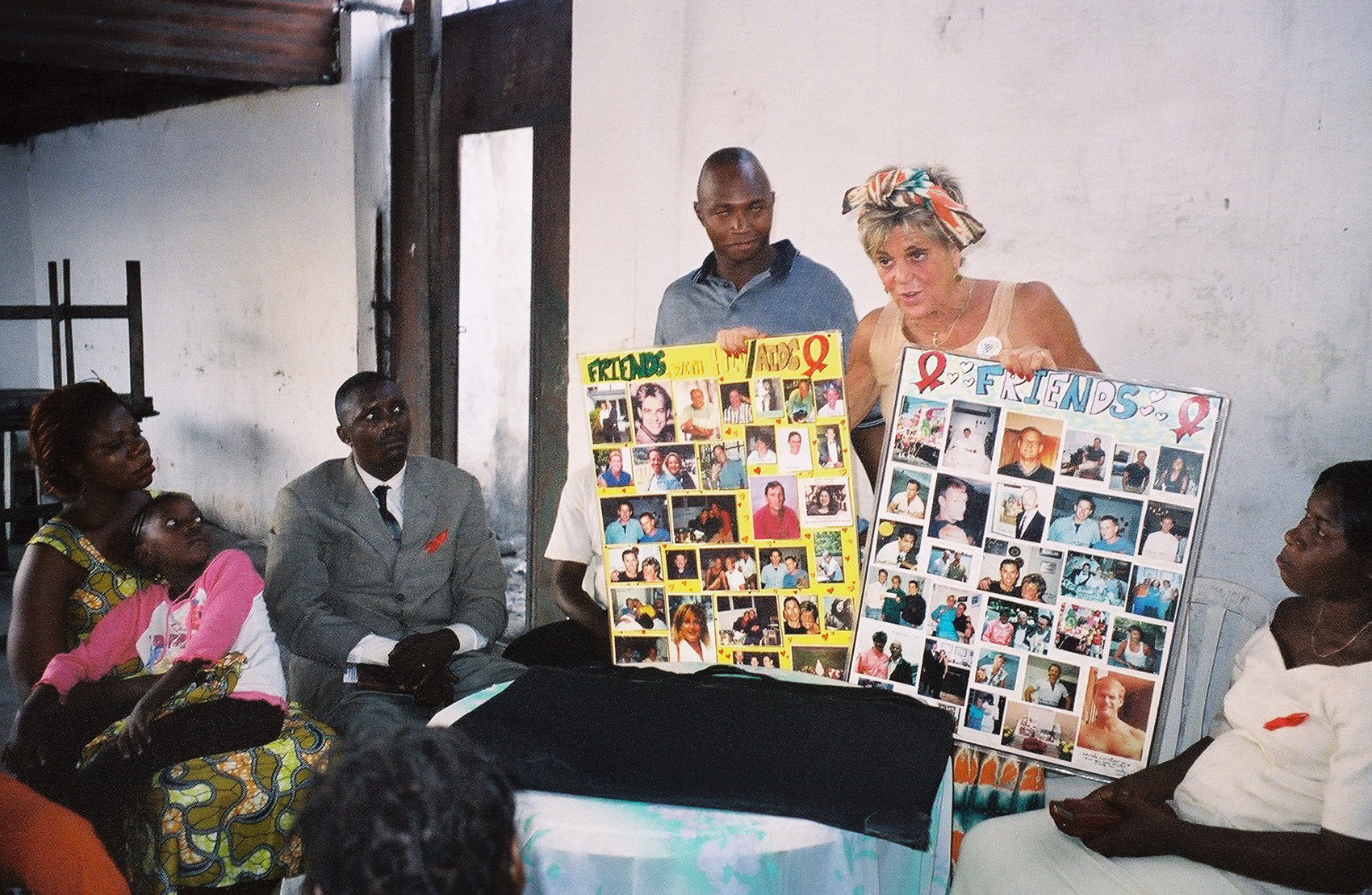
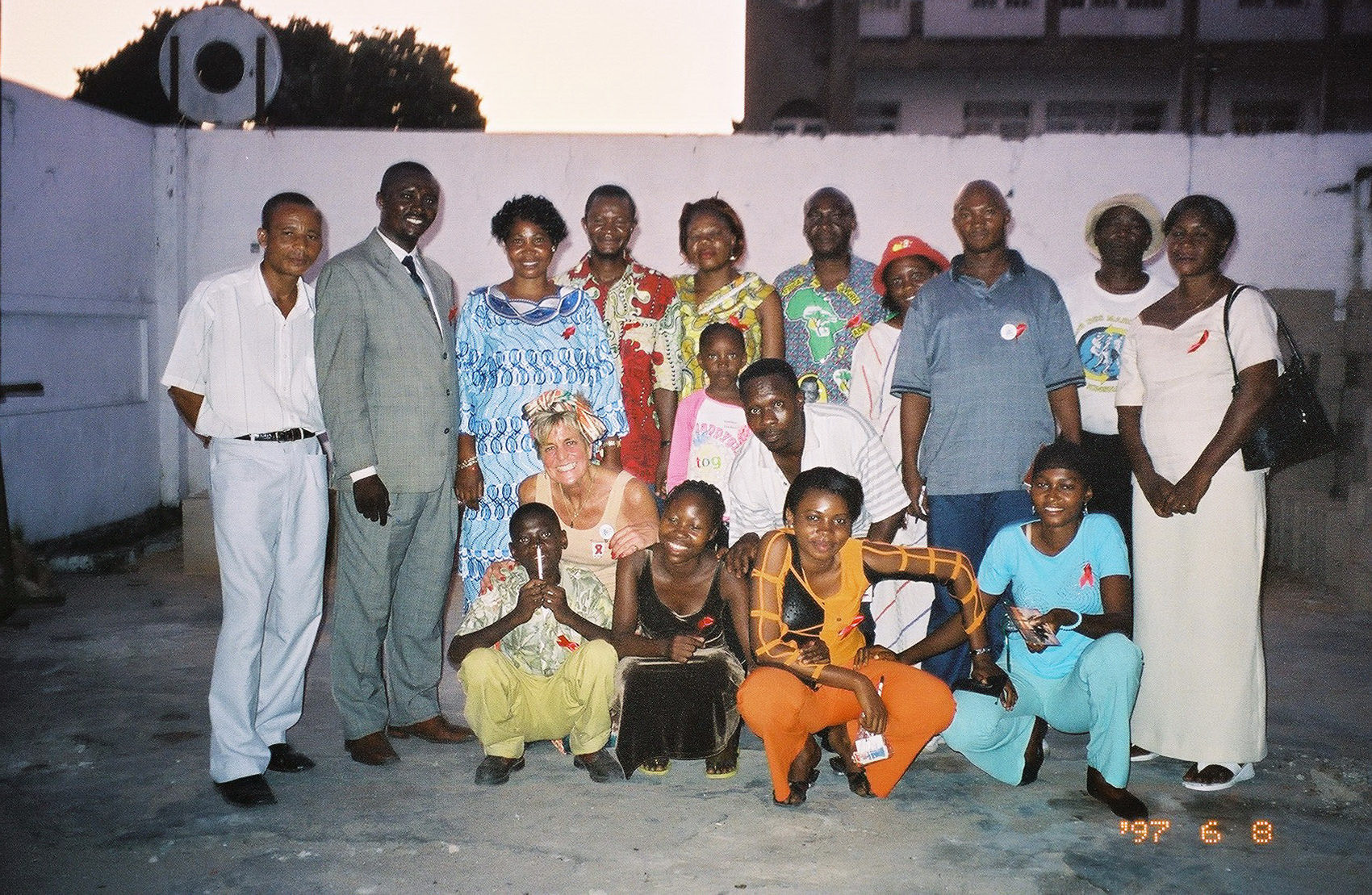
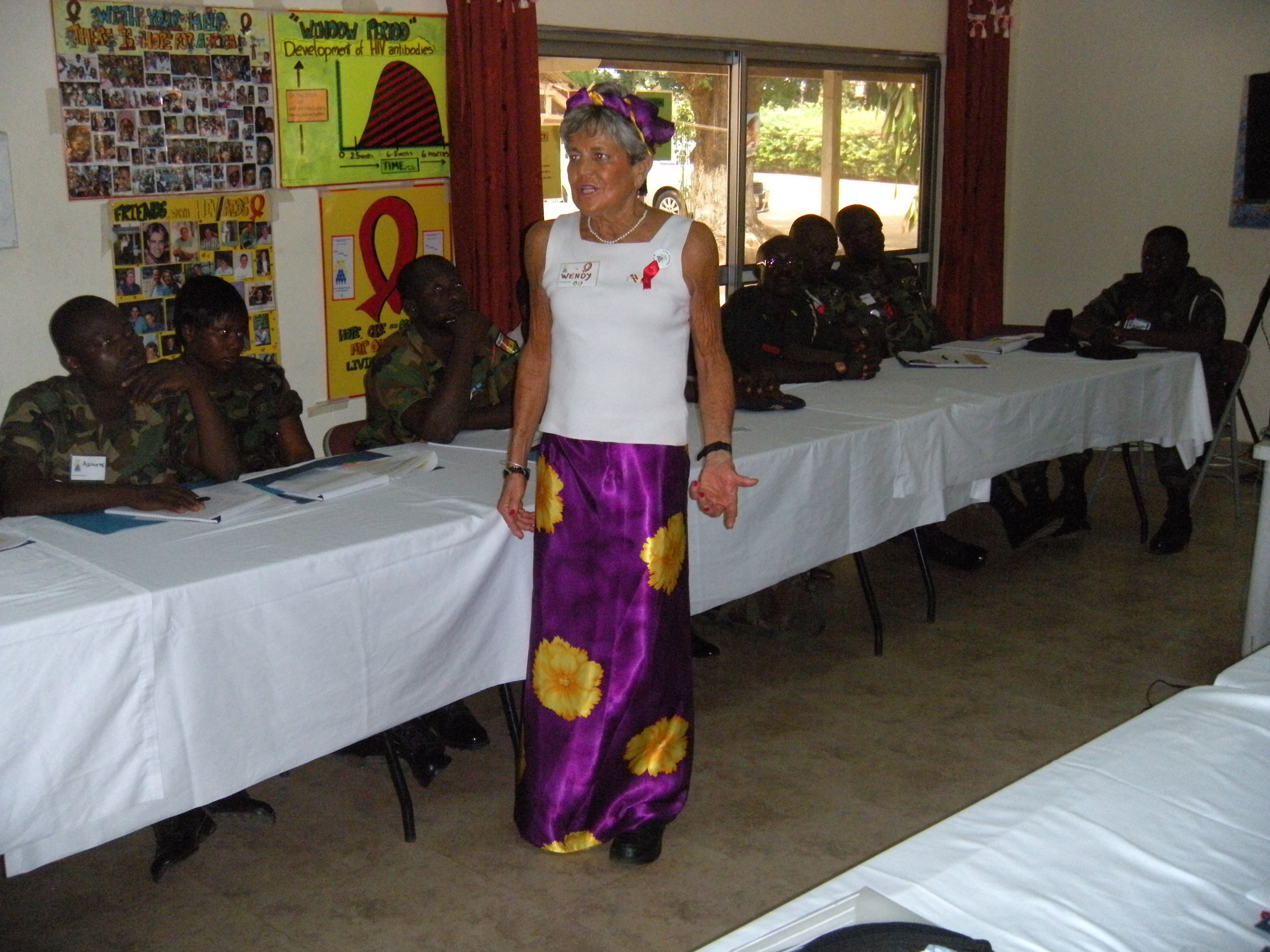
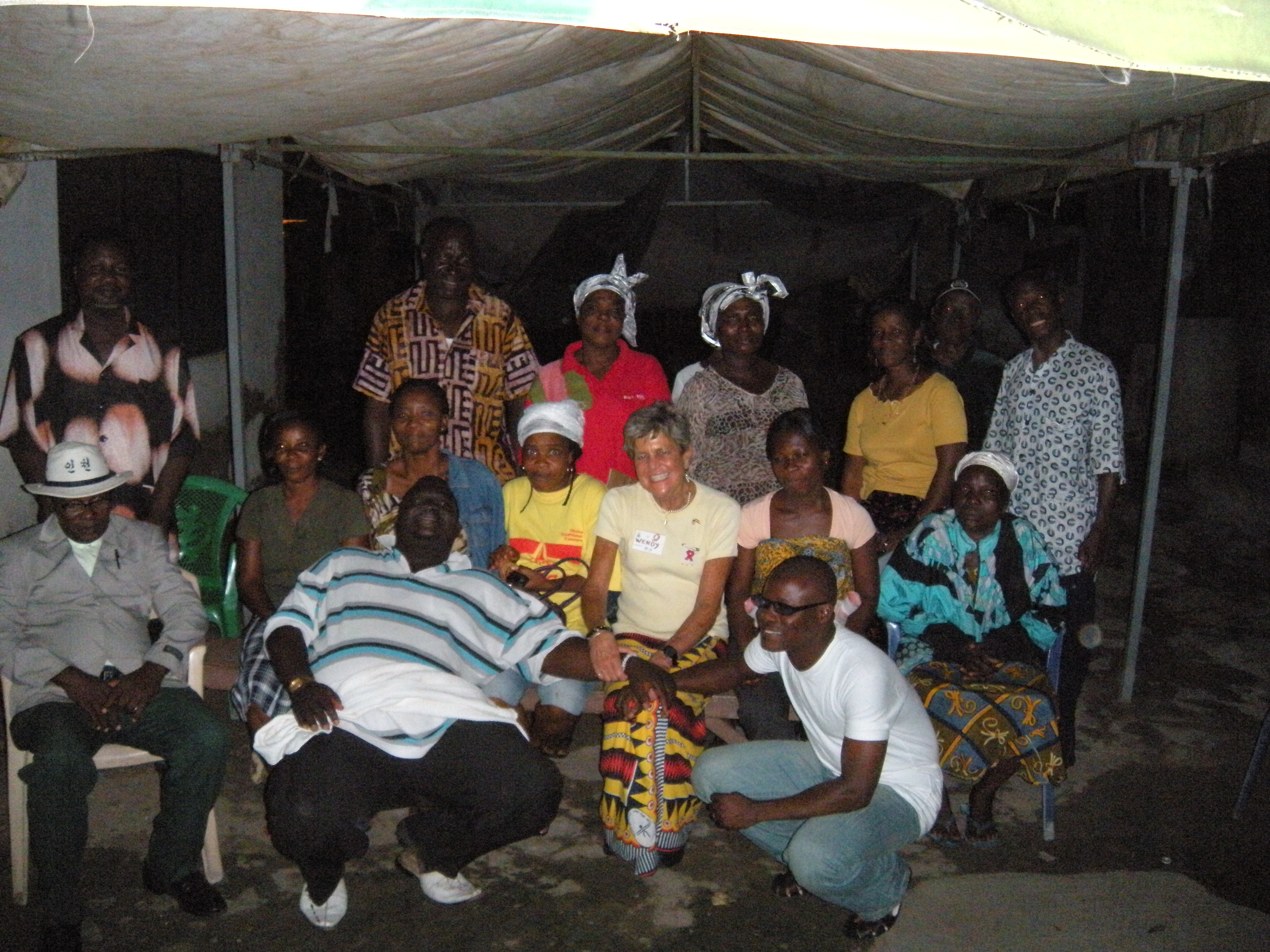
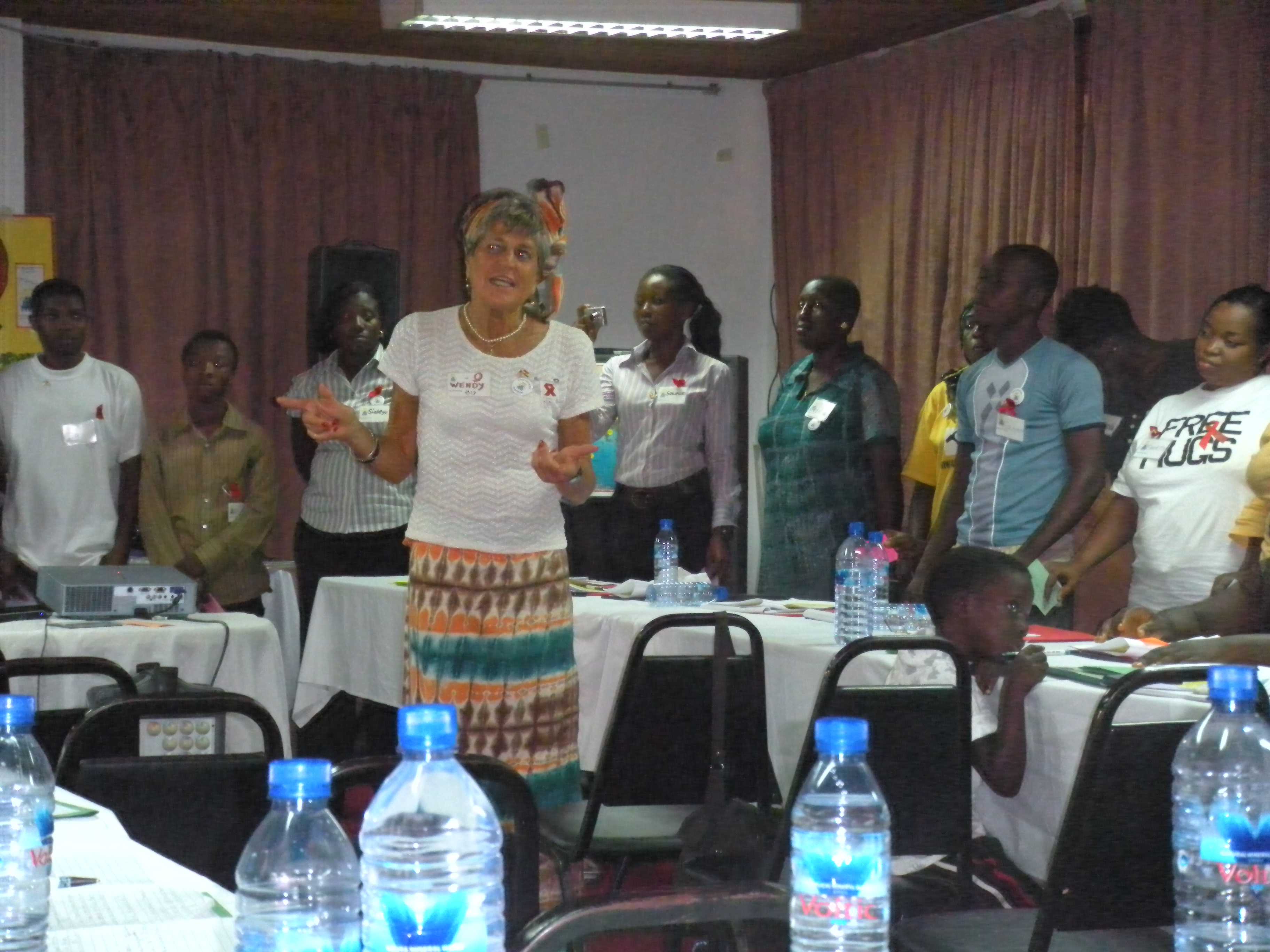
Since 1986, PEP/LA has been the model for HIV/AIDS prevention through peer education in 28 countries. PEP/International trains groups (N=50/group) of youth and also conducts workshops for "Trainers" (clinicians, counselors, teachers, pastors, people with HIV/AIDS, sex workers, home care providers, and more) from multi-disciplinary backgrounds and experiences. After the two weeks of training in each country (we have a "Suggested Two Week Schedule" and "Checklist" to help with the preparations), the Peer Education Programs (PEPs) become the responsibility and pride of local community members. It is adapted to their culture, their traditions and their precious values. The participants are empowered with accurate information about transmission, prevention, communication skills as well as the provision of care for people living with HIV/AIDS.
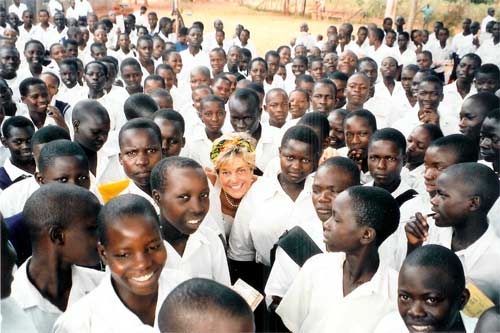
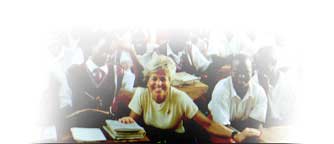
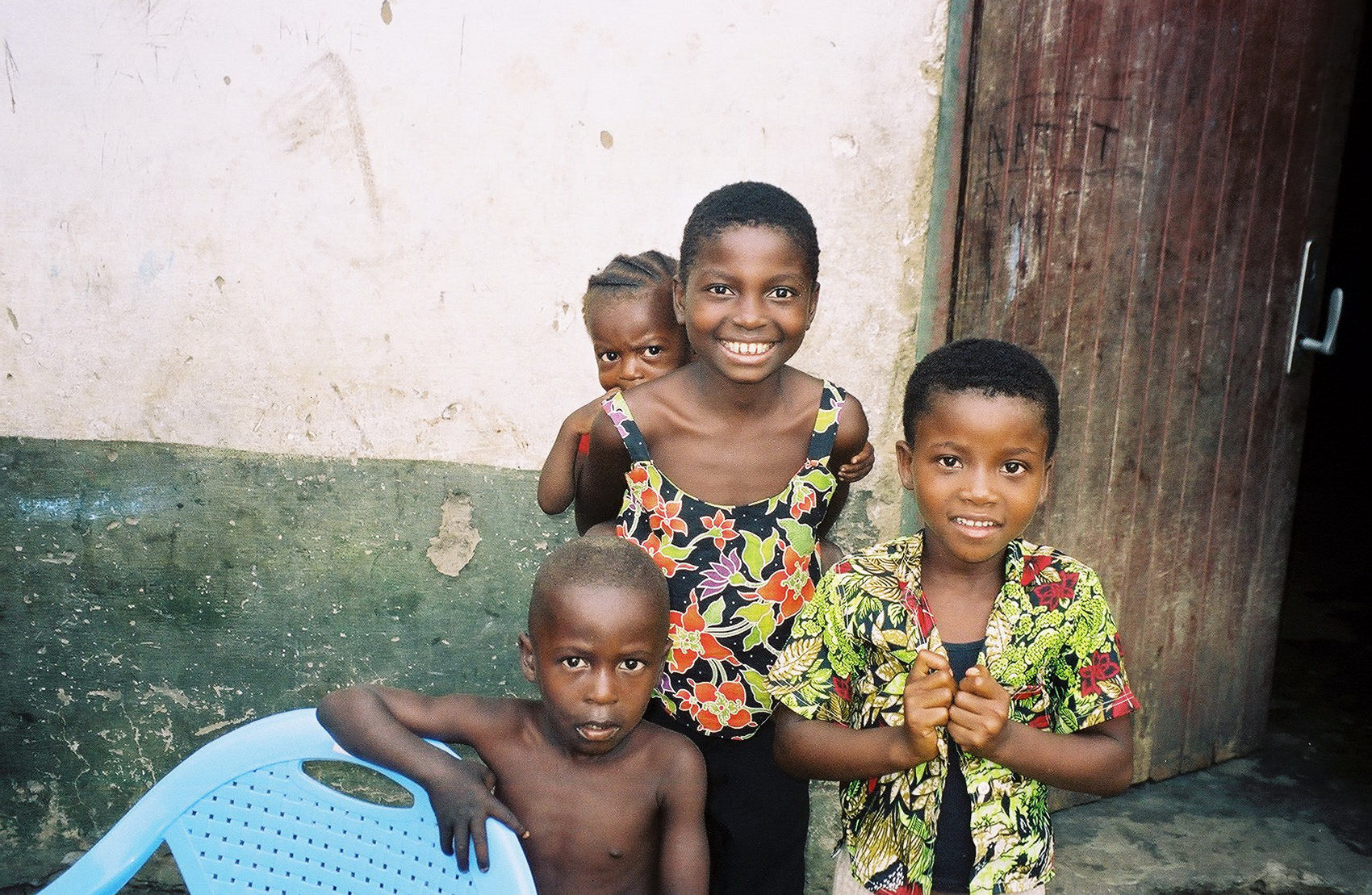
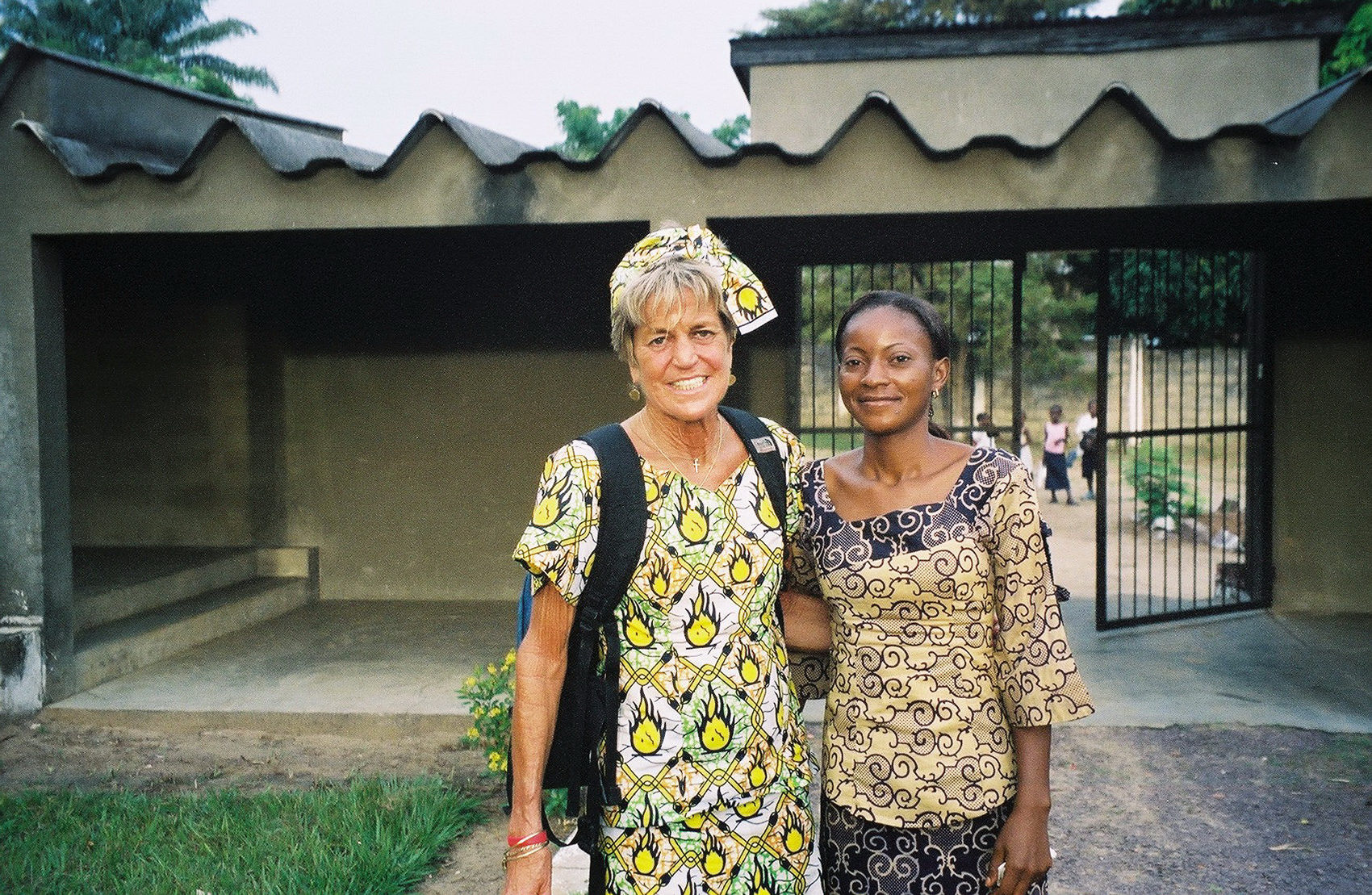
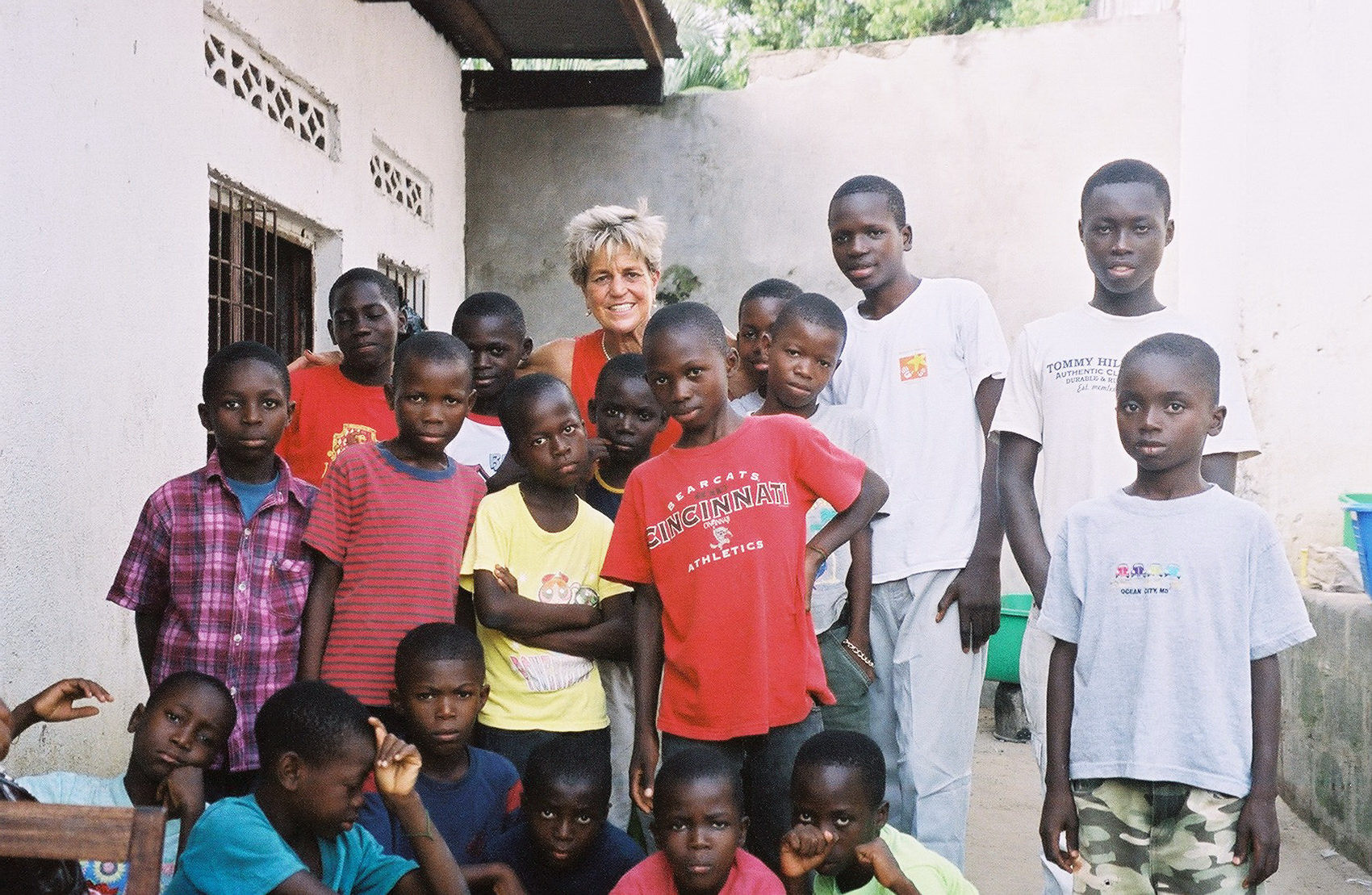
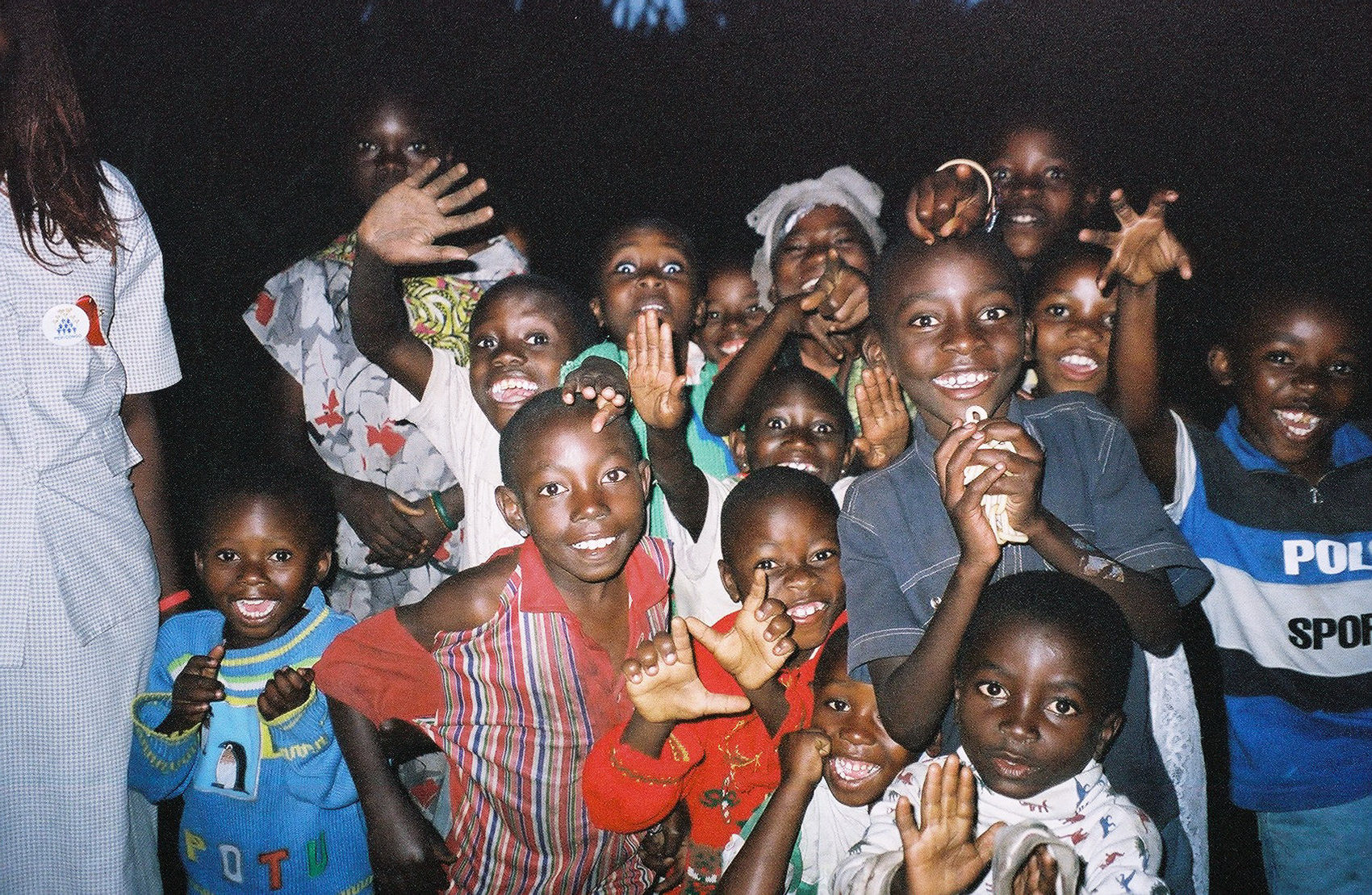
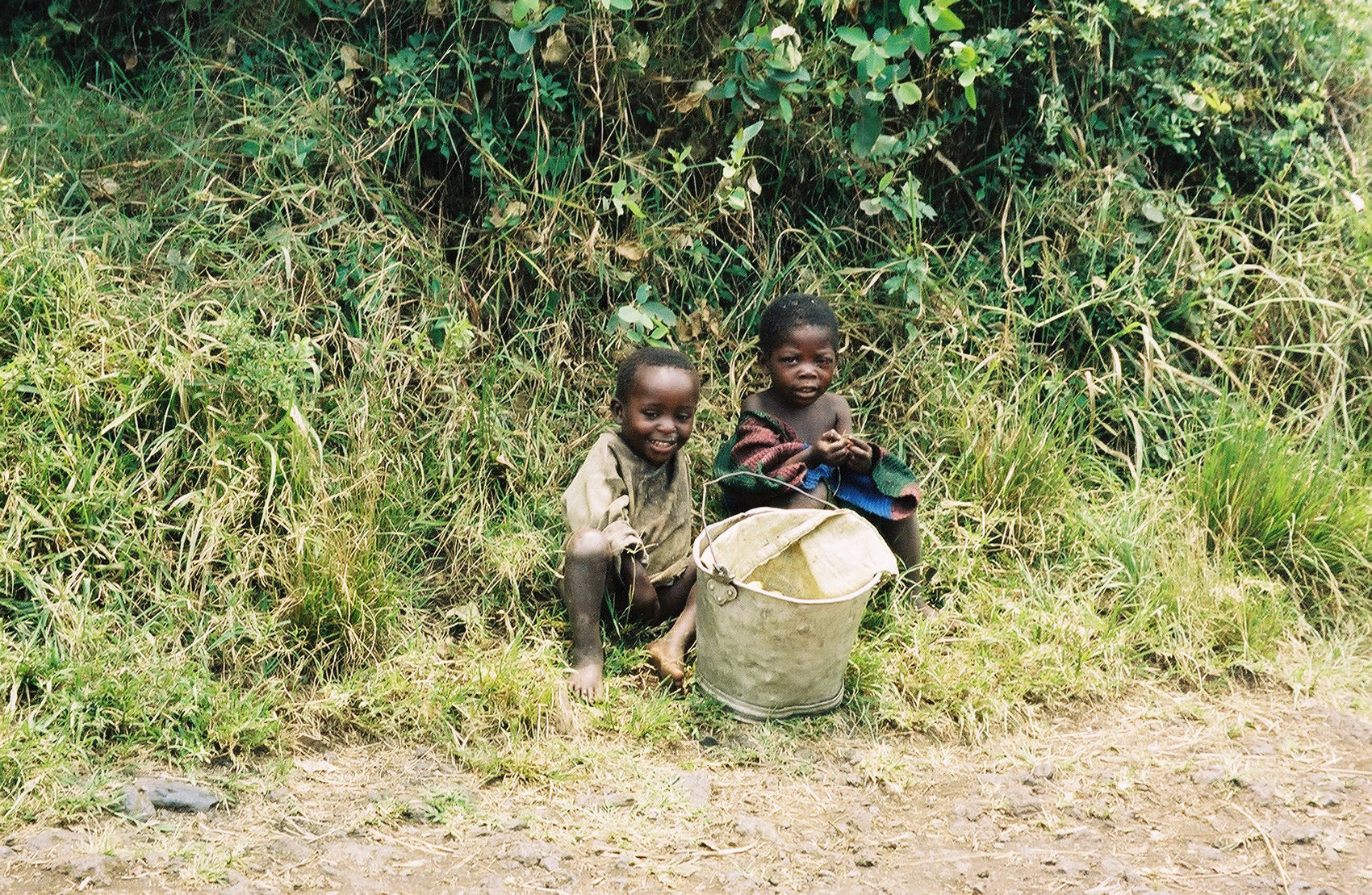
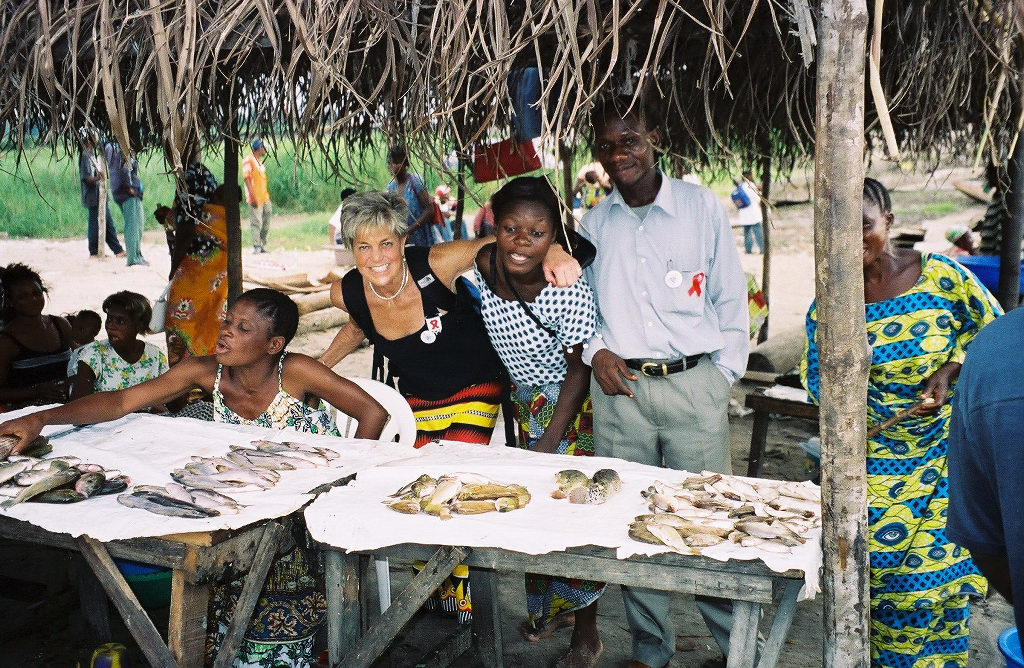
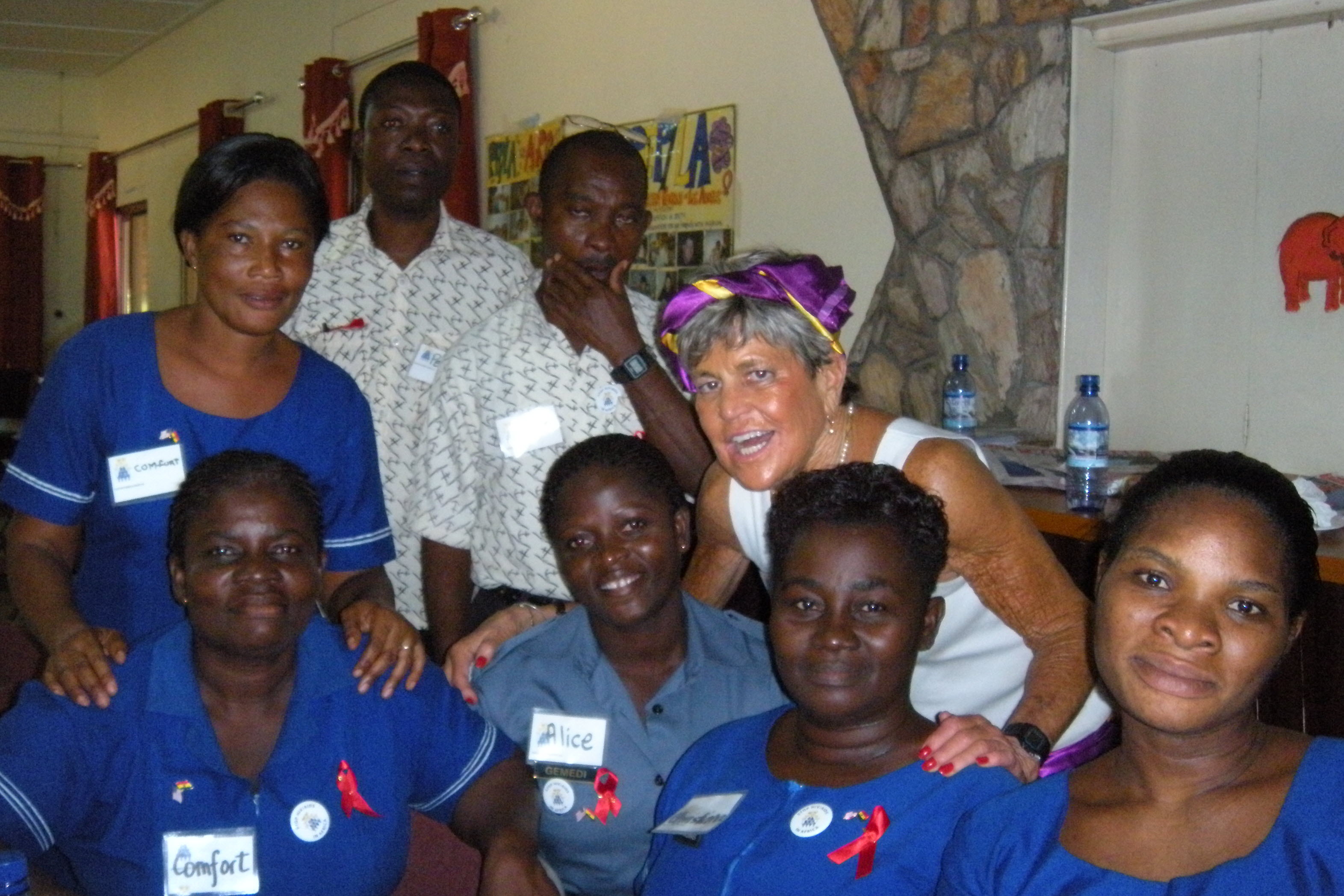
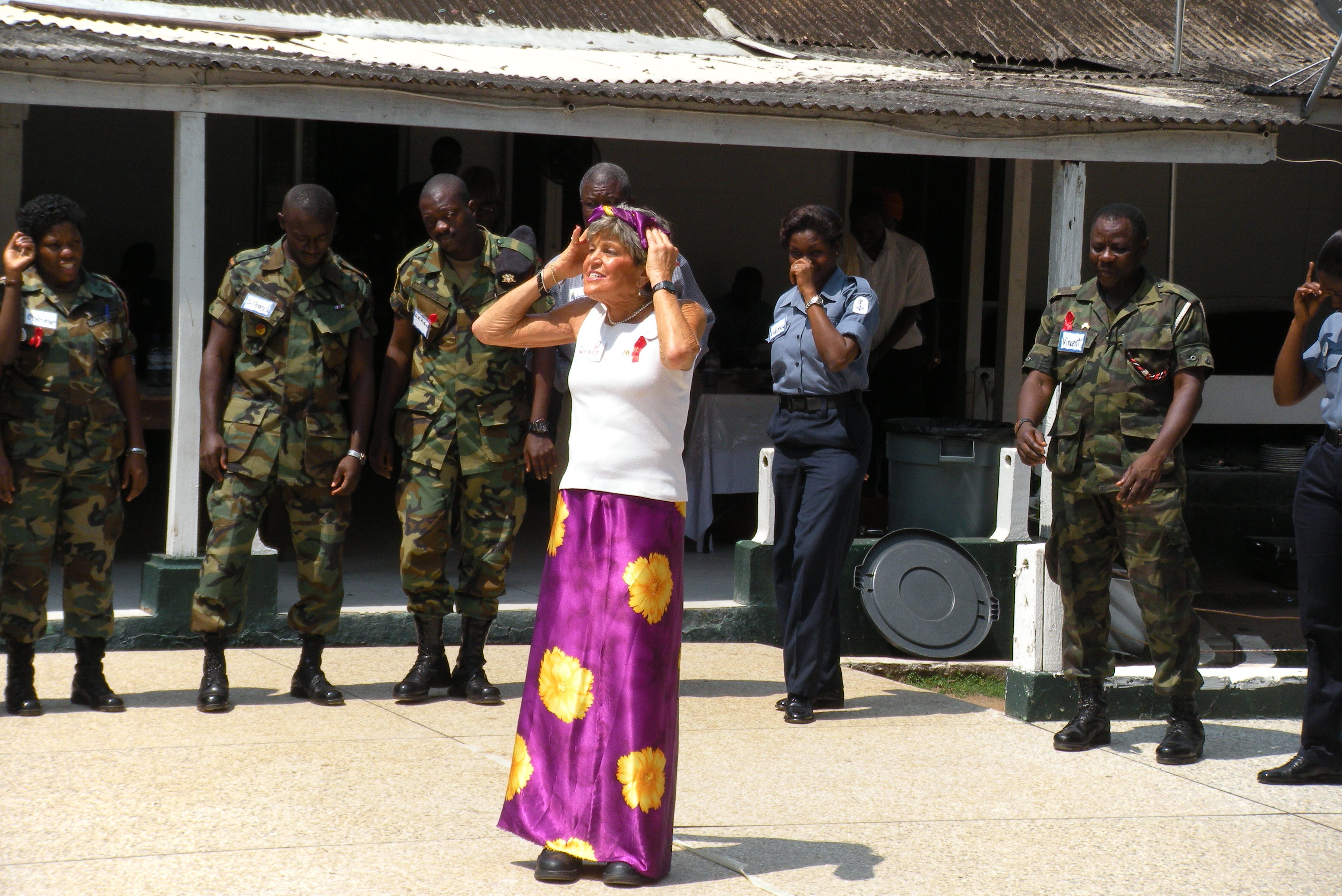
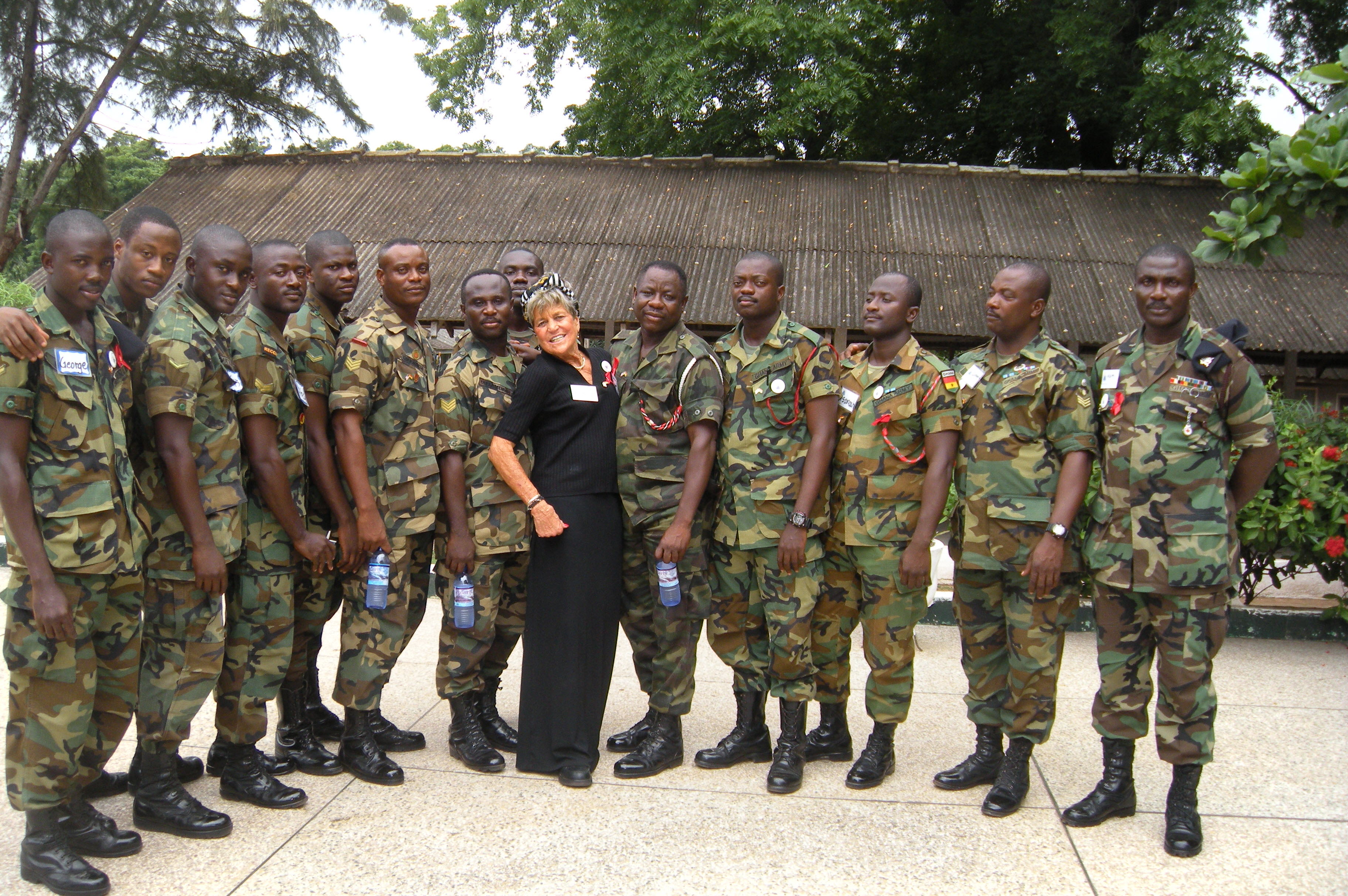
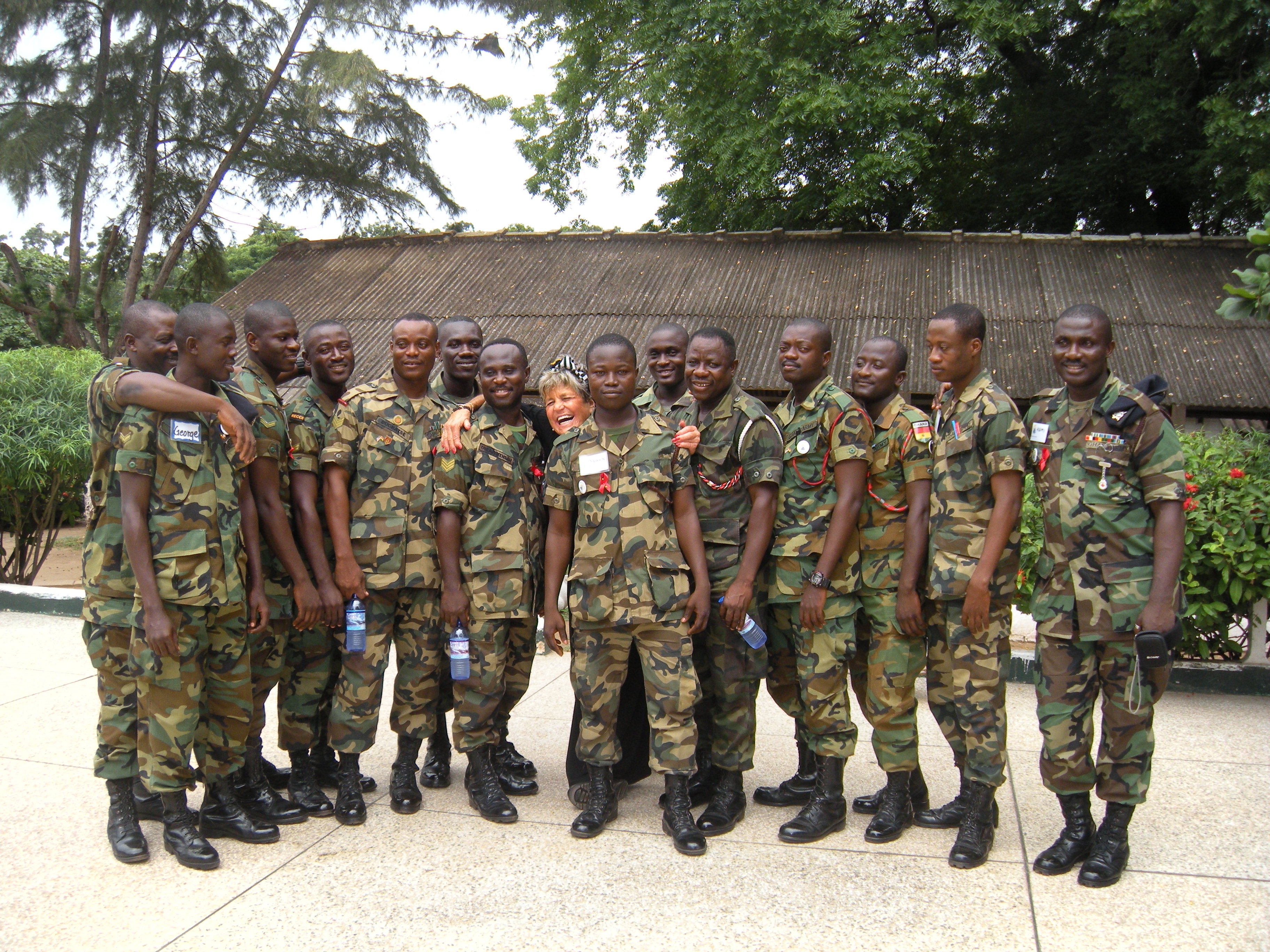
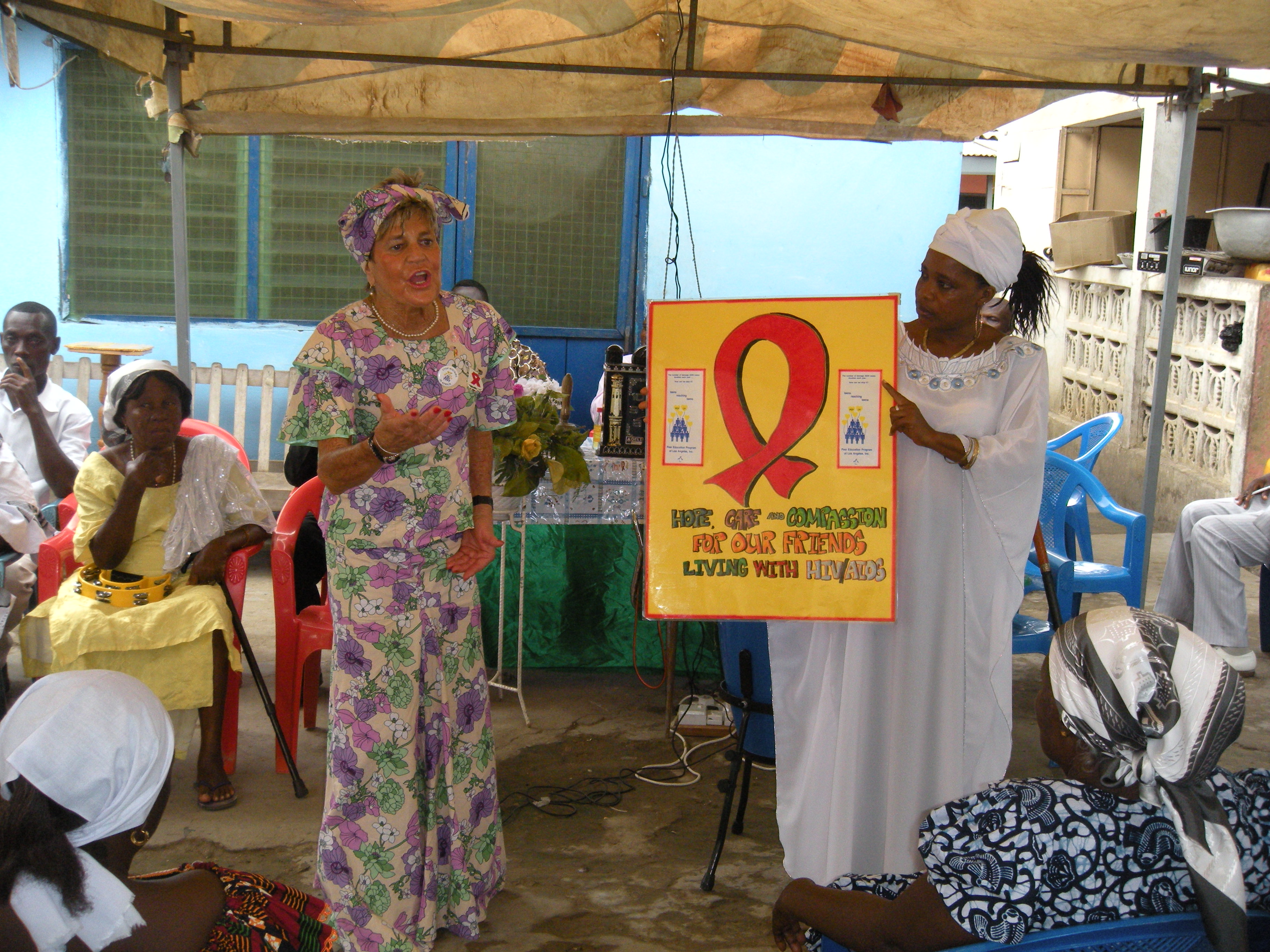
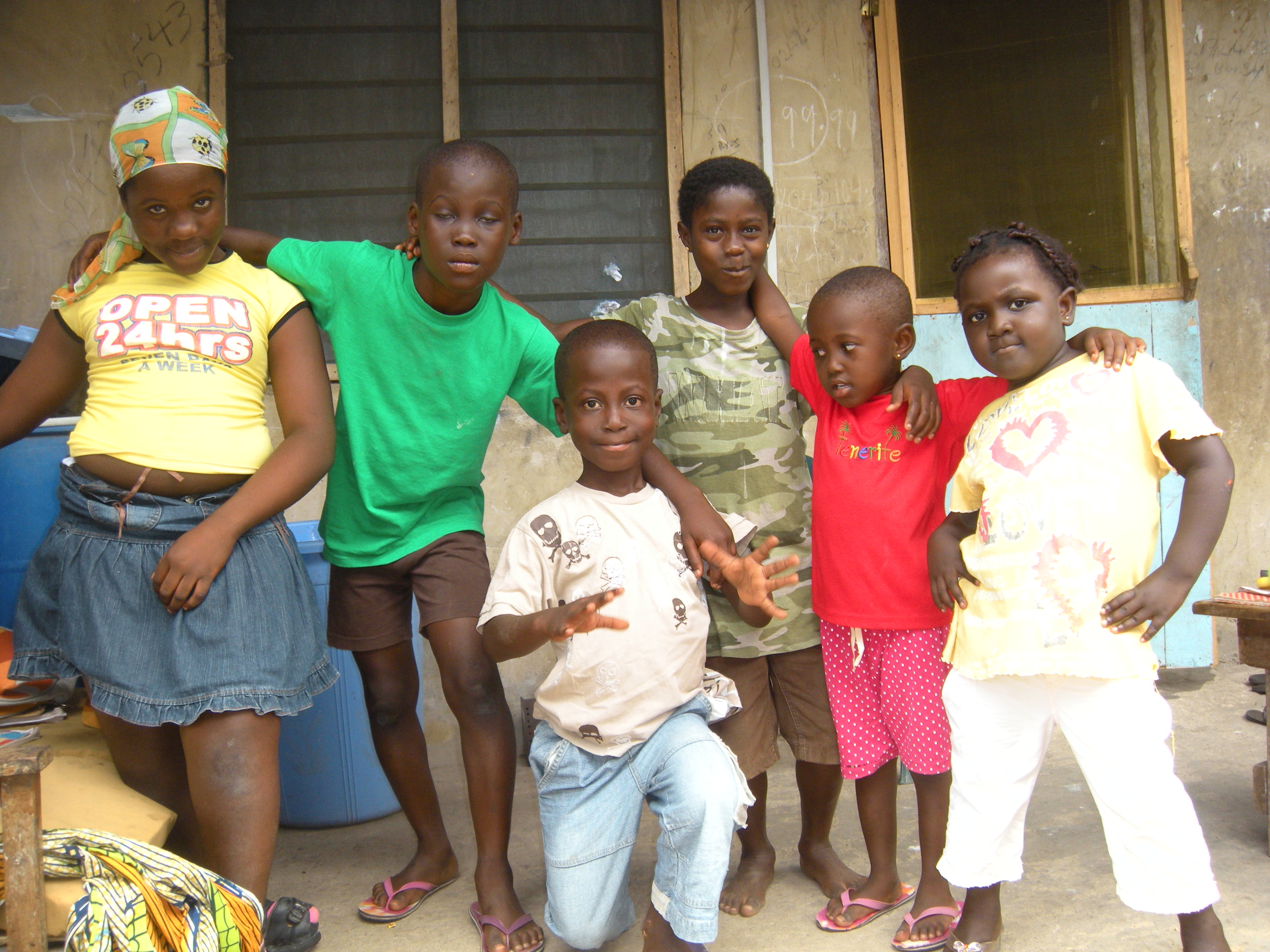
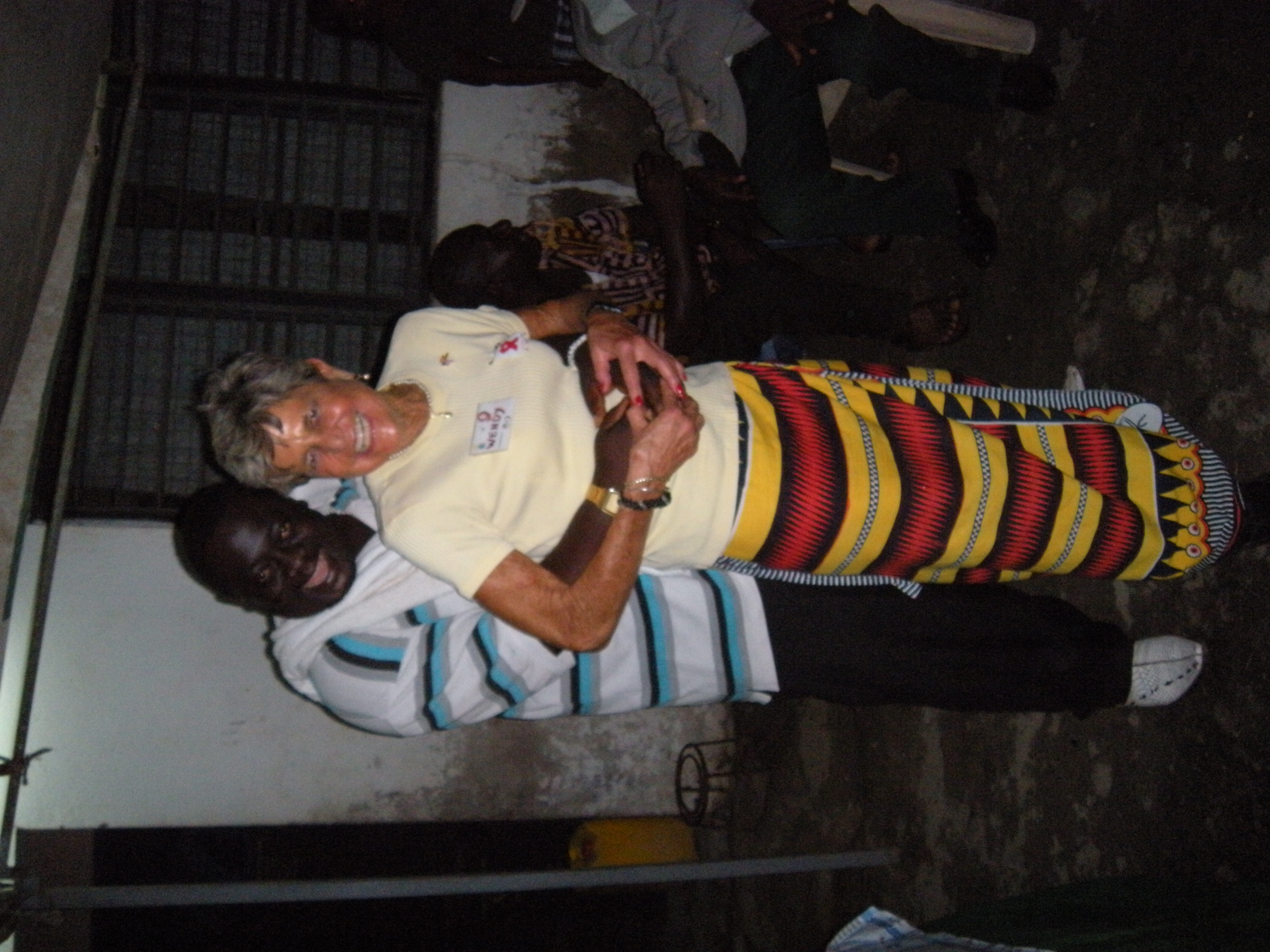
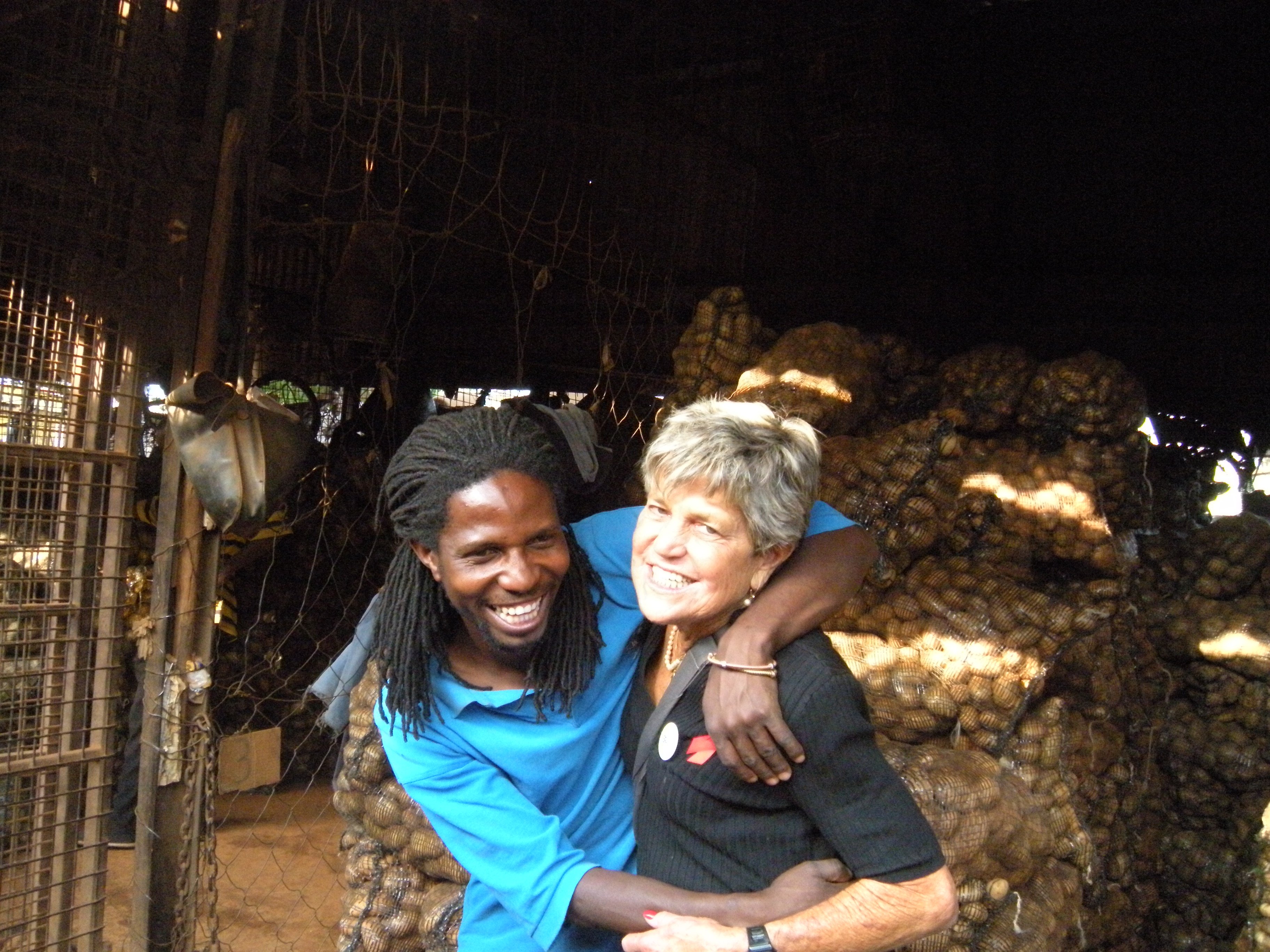
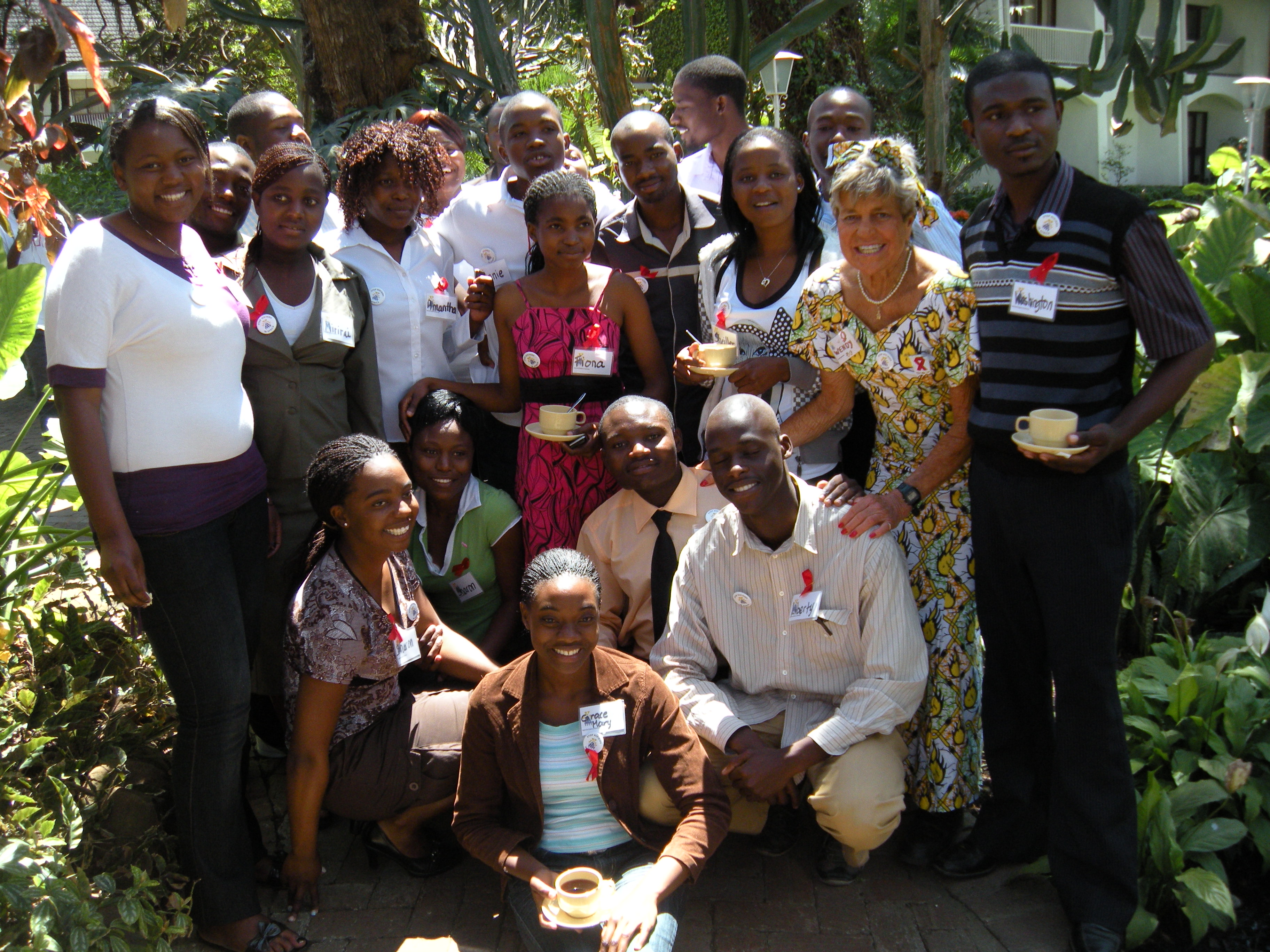
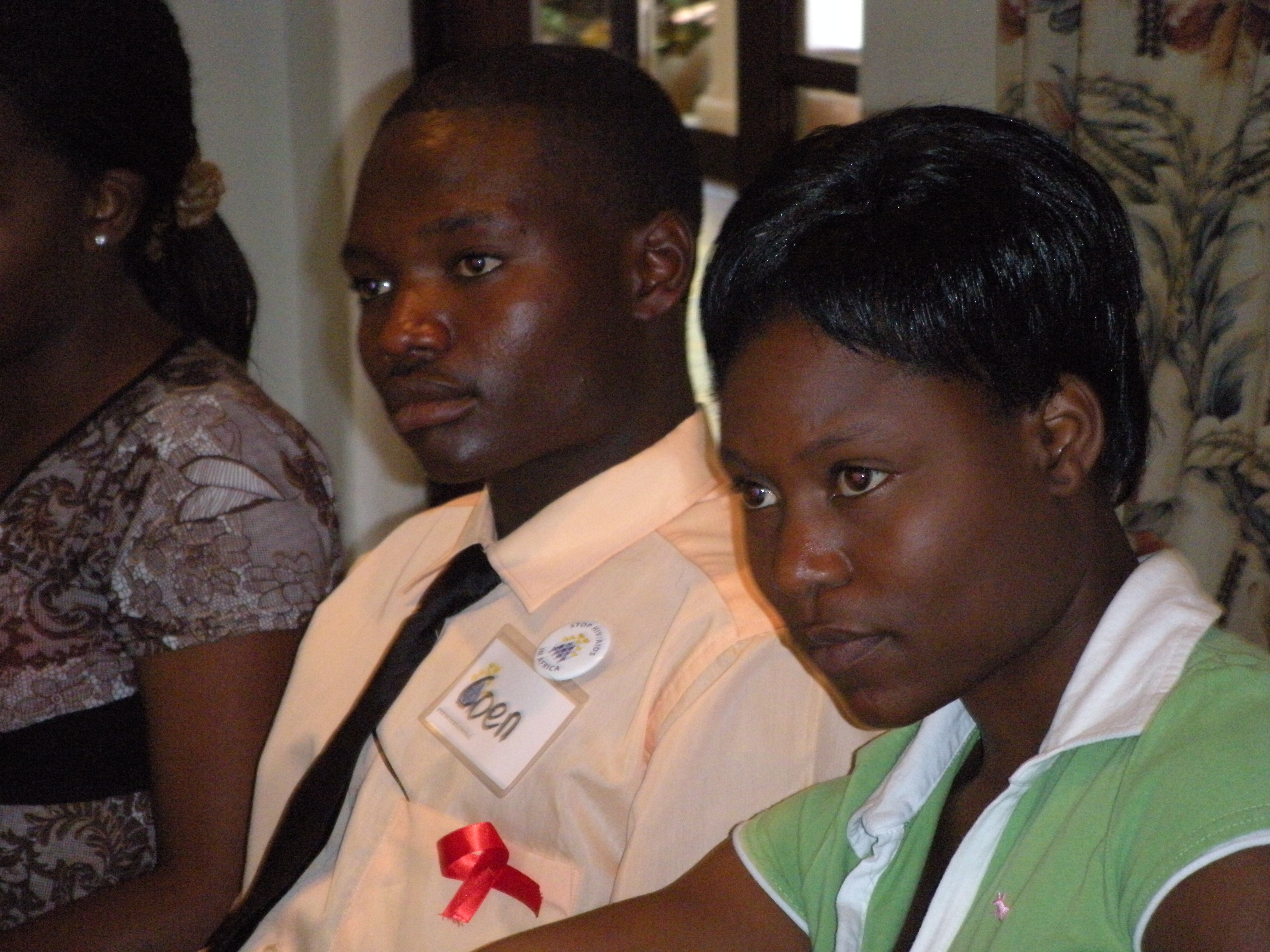
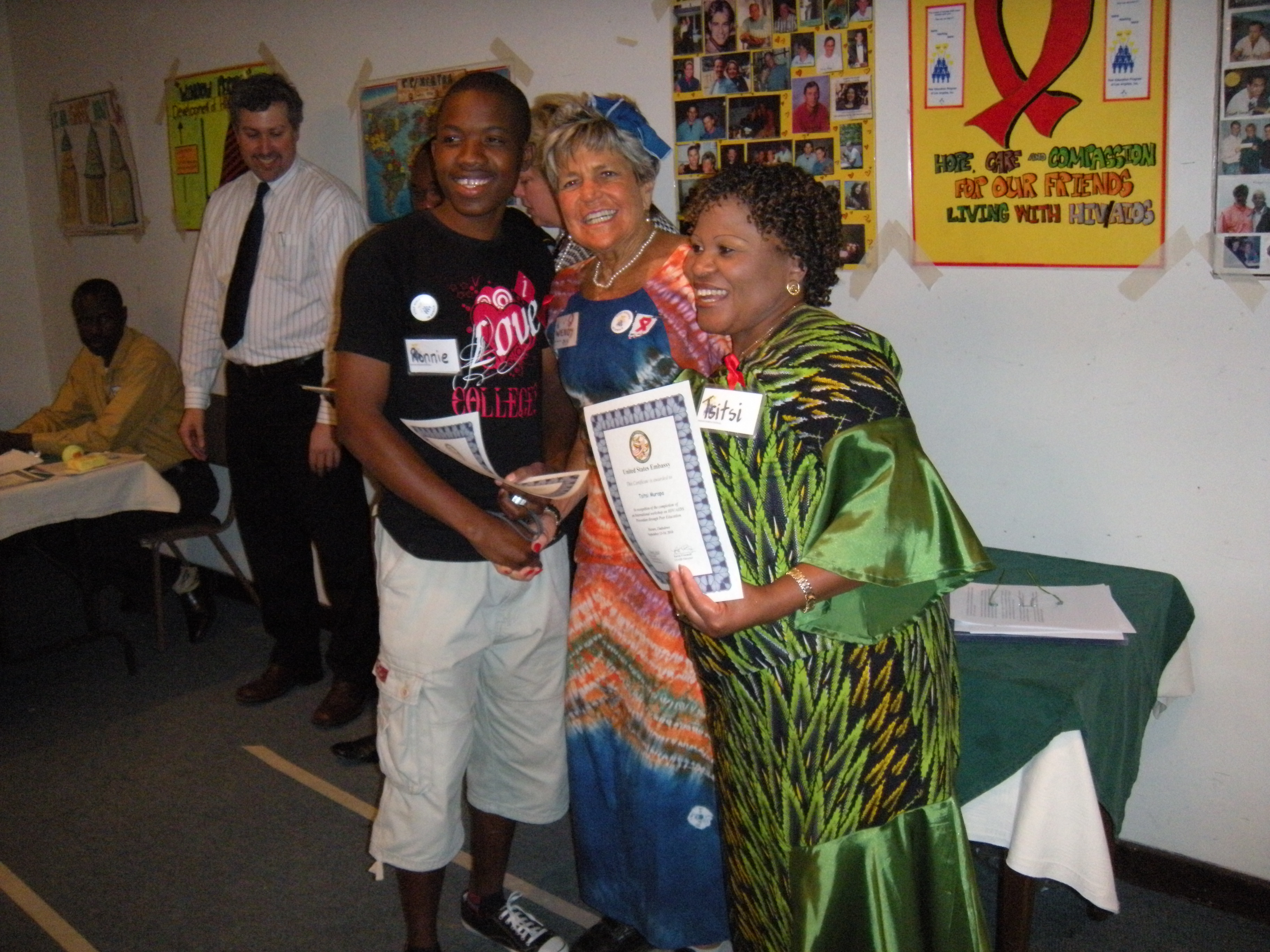
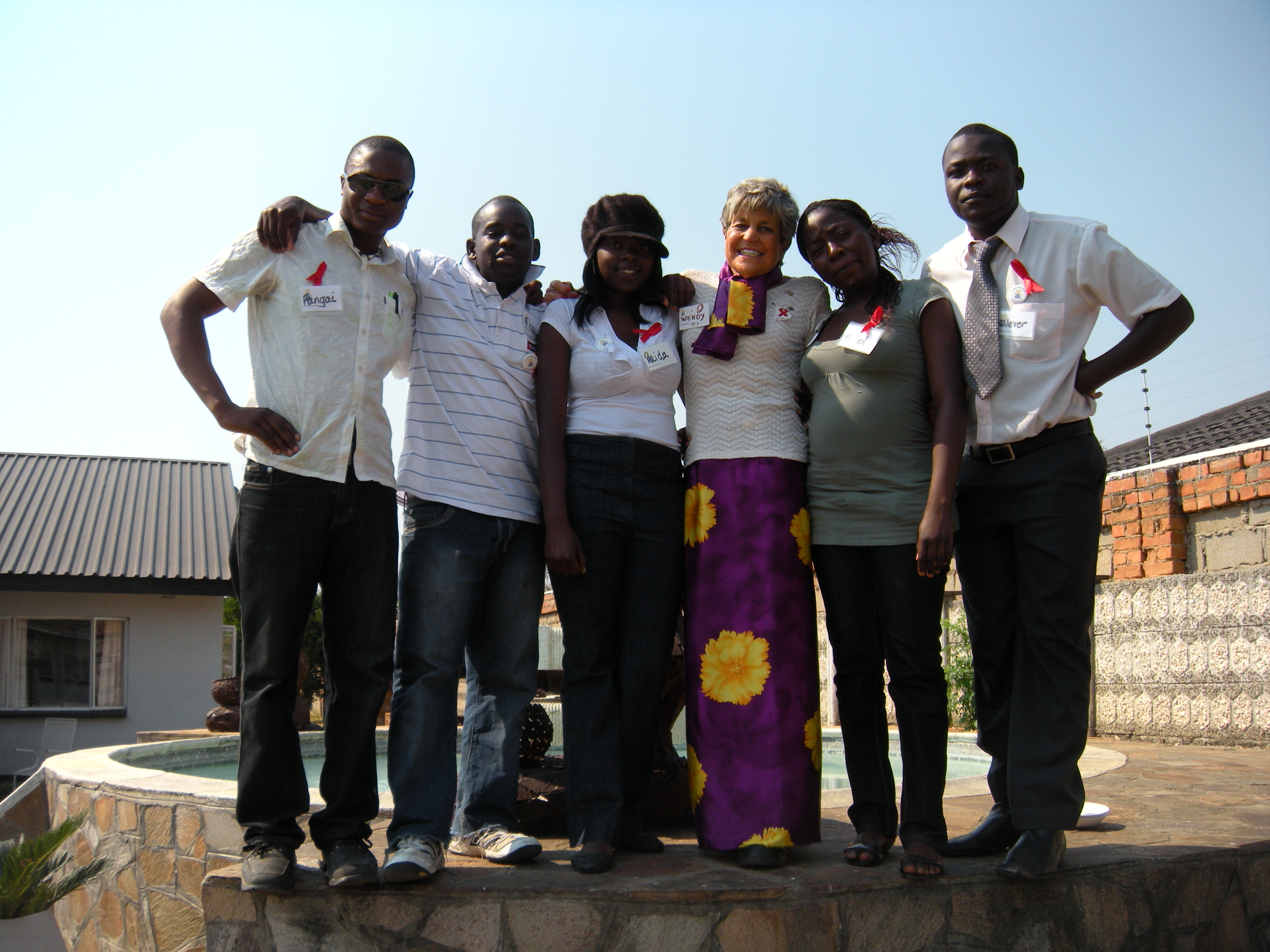
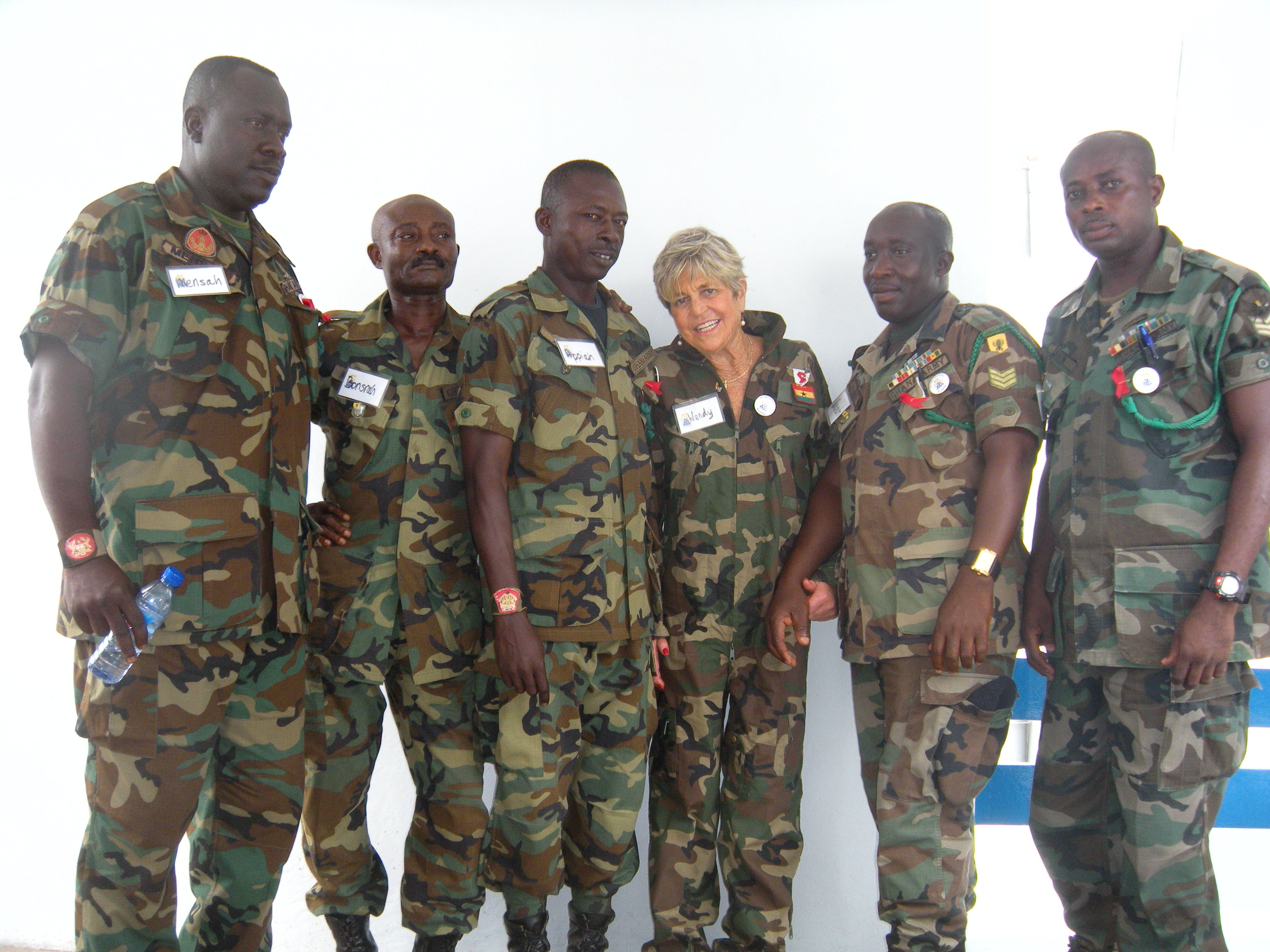
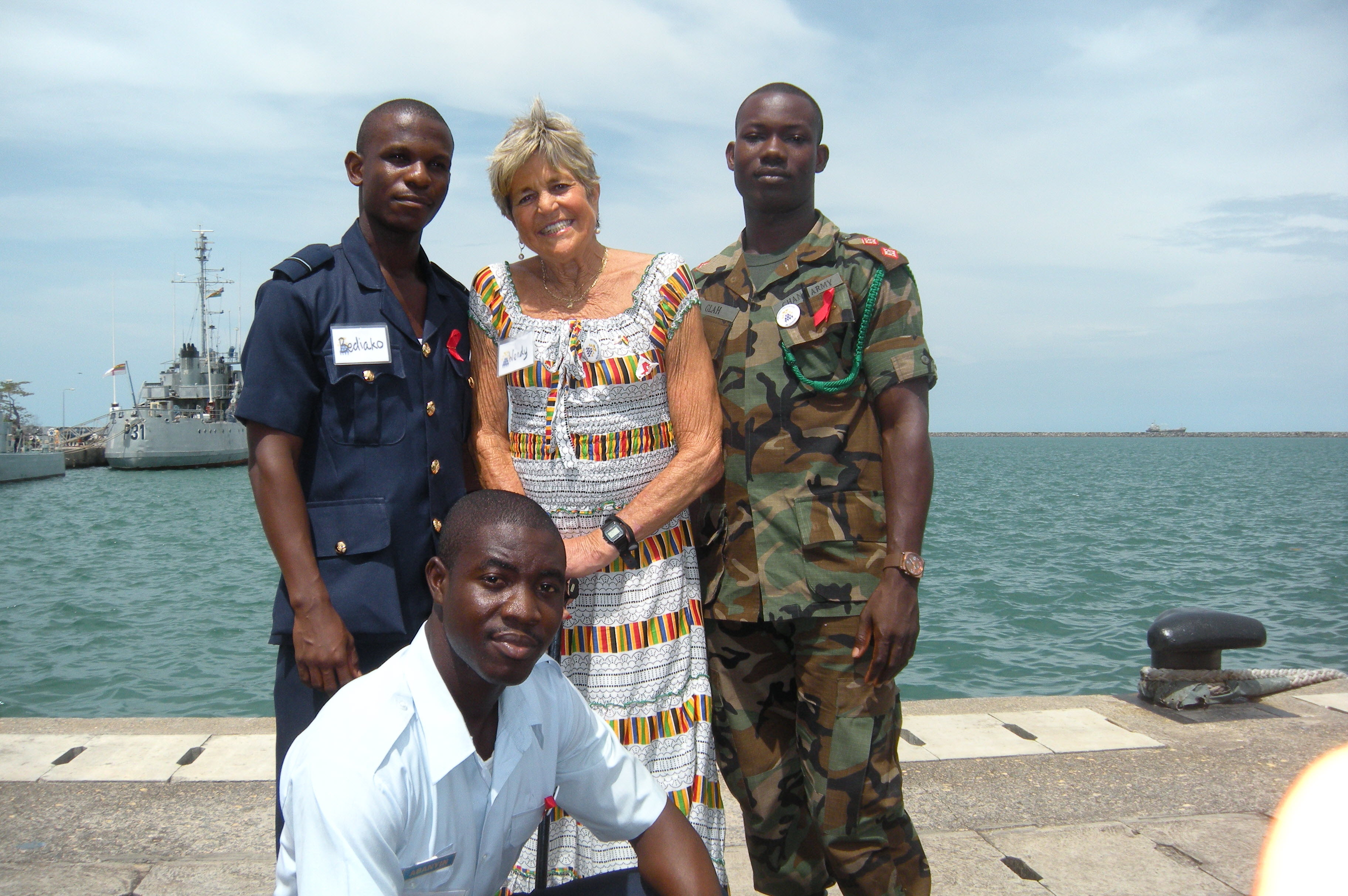
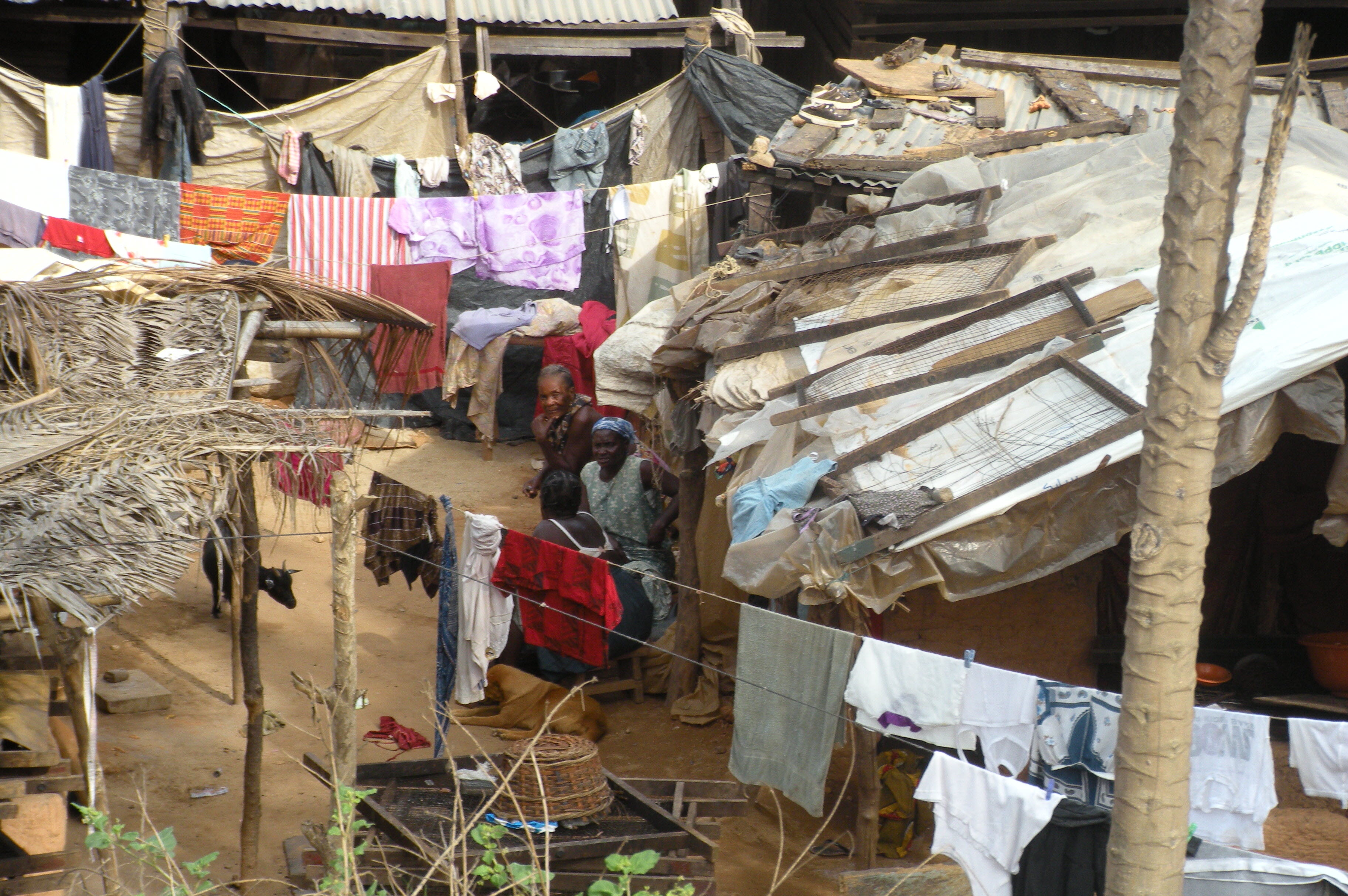
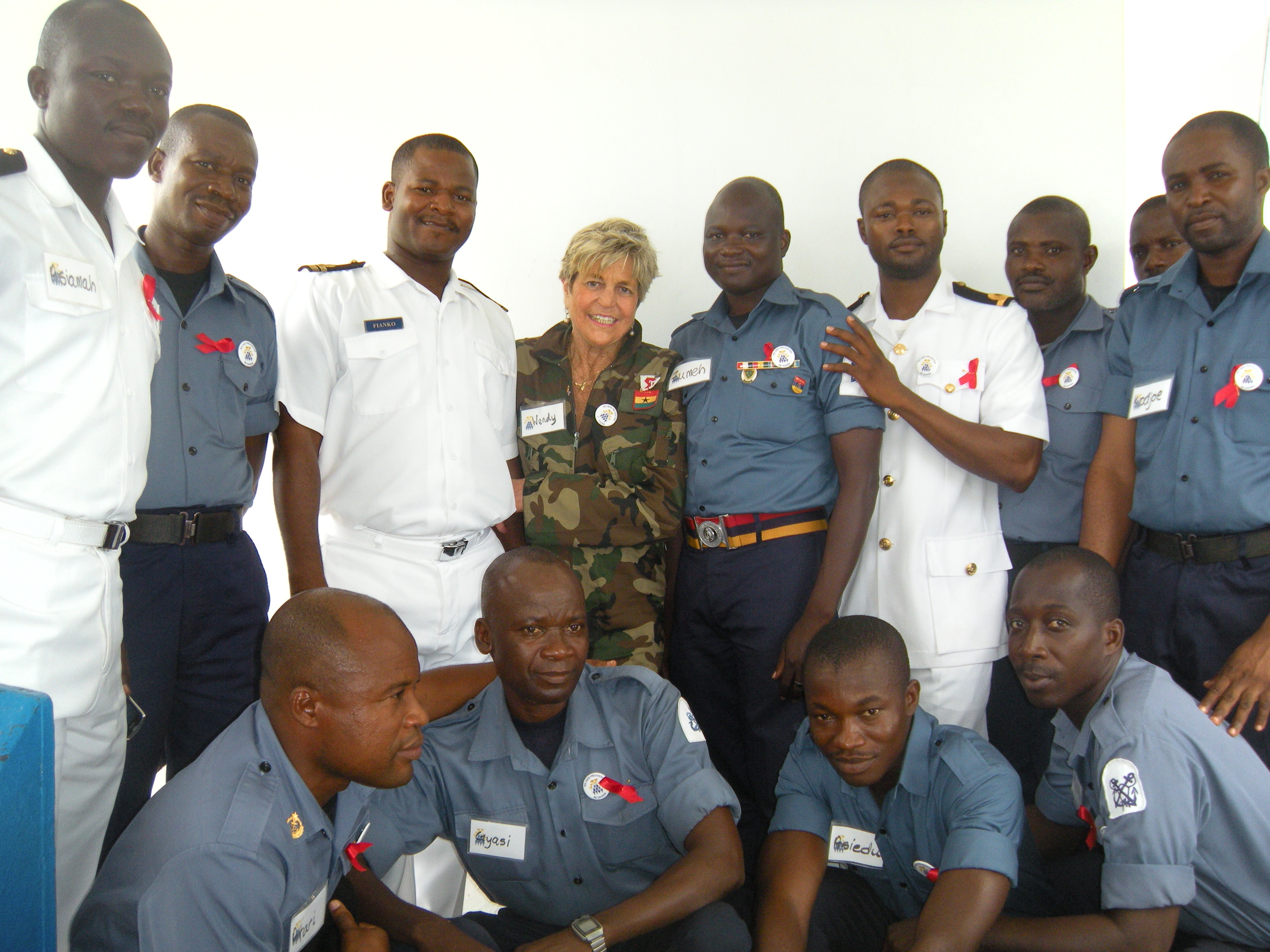
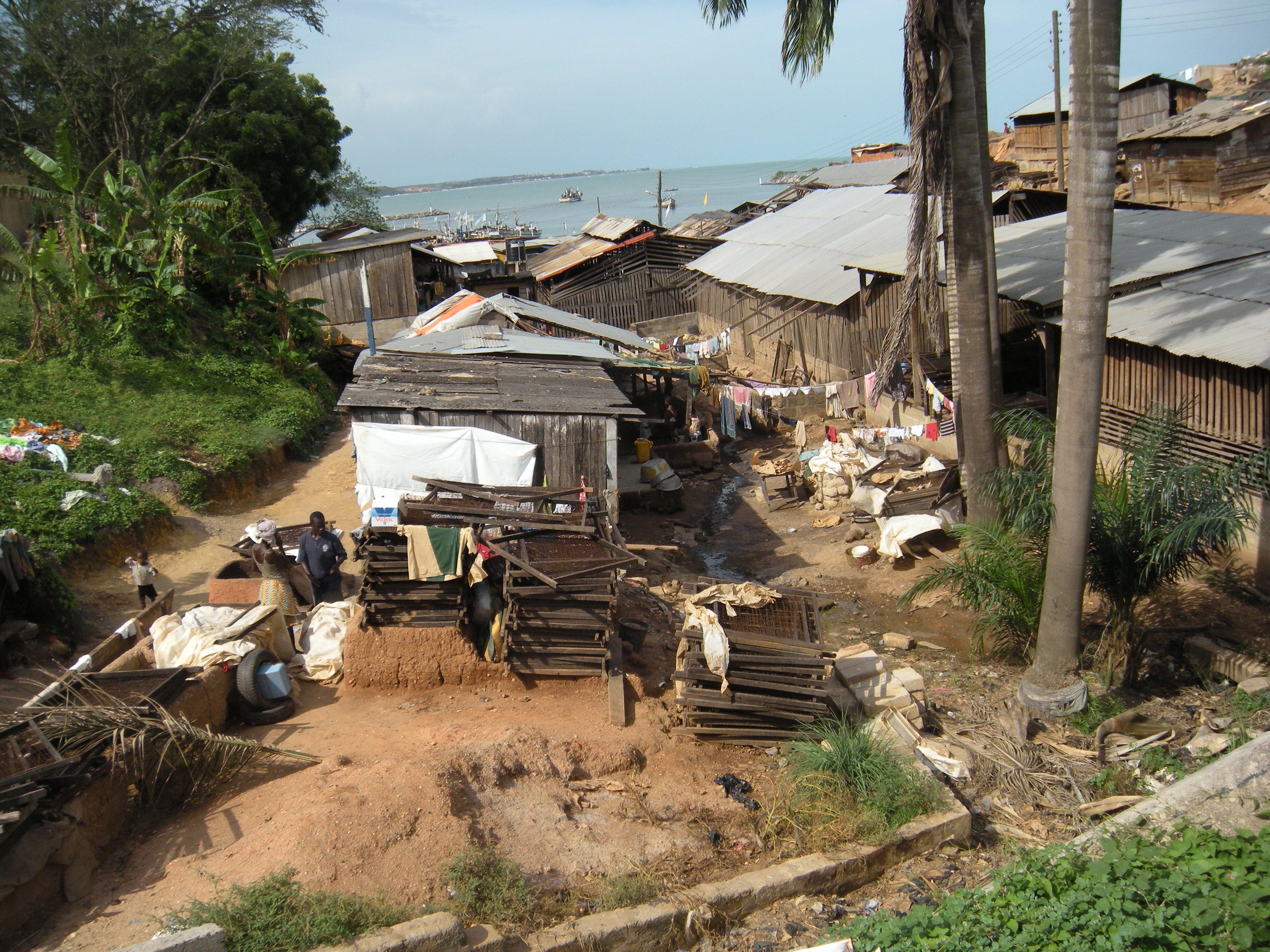
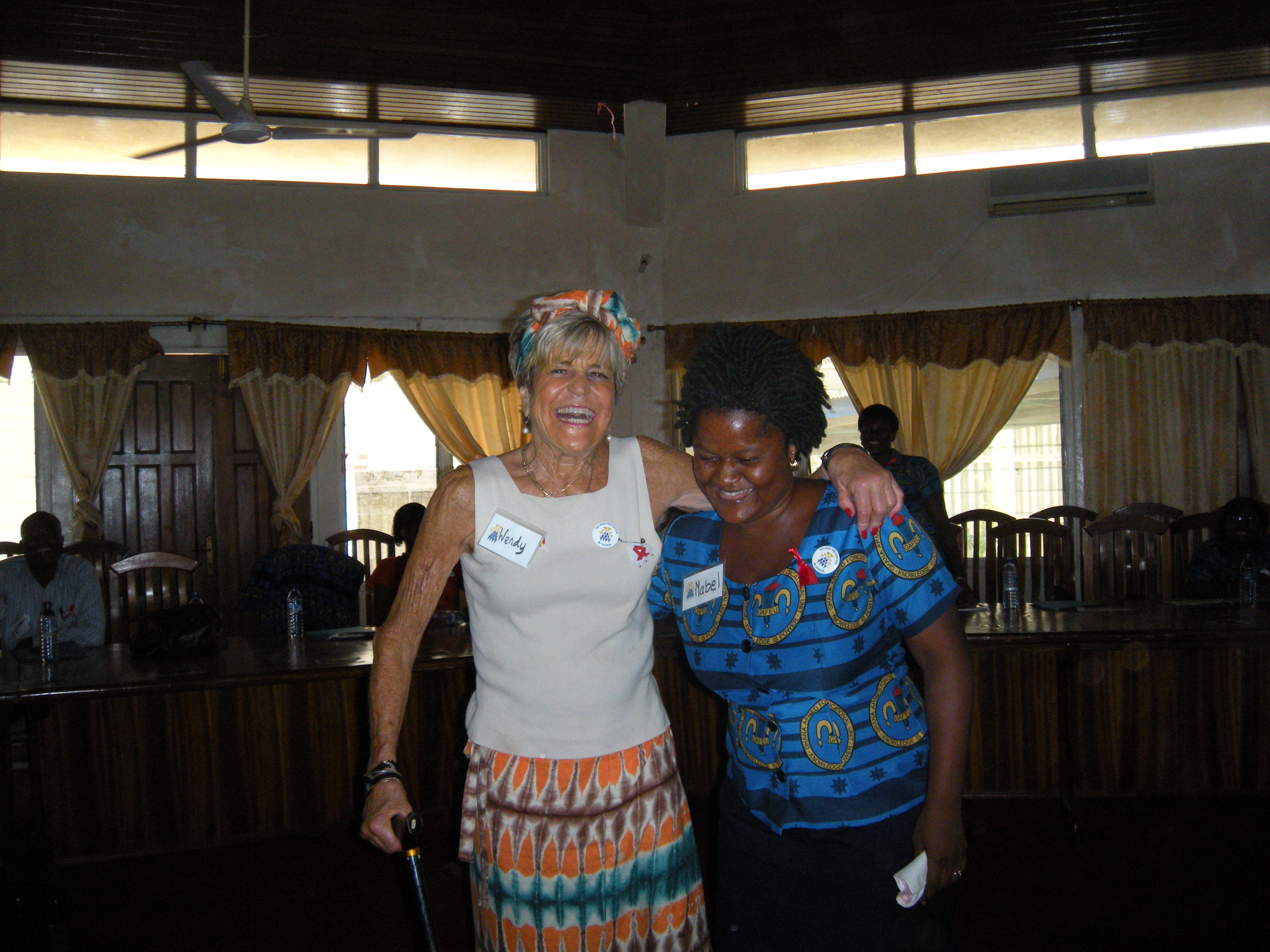
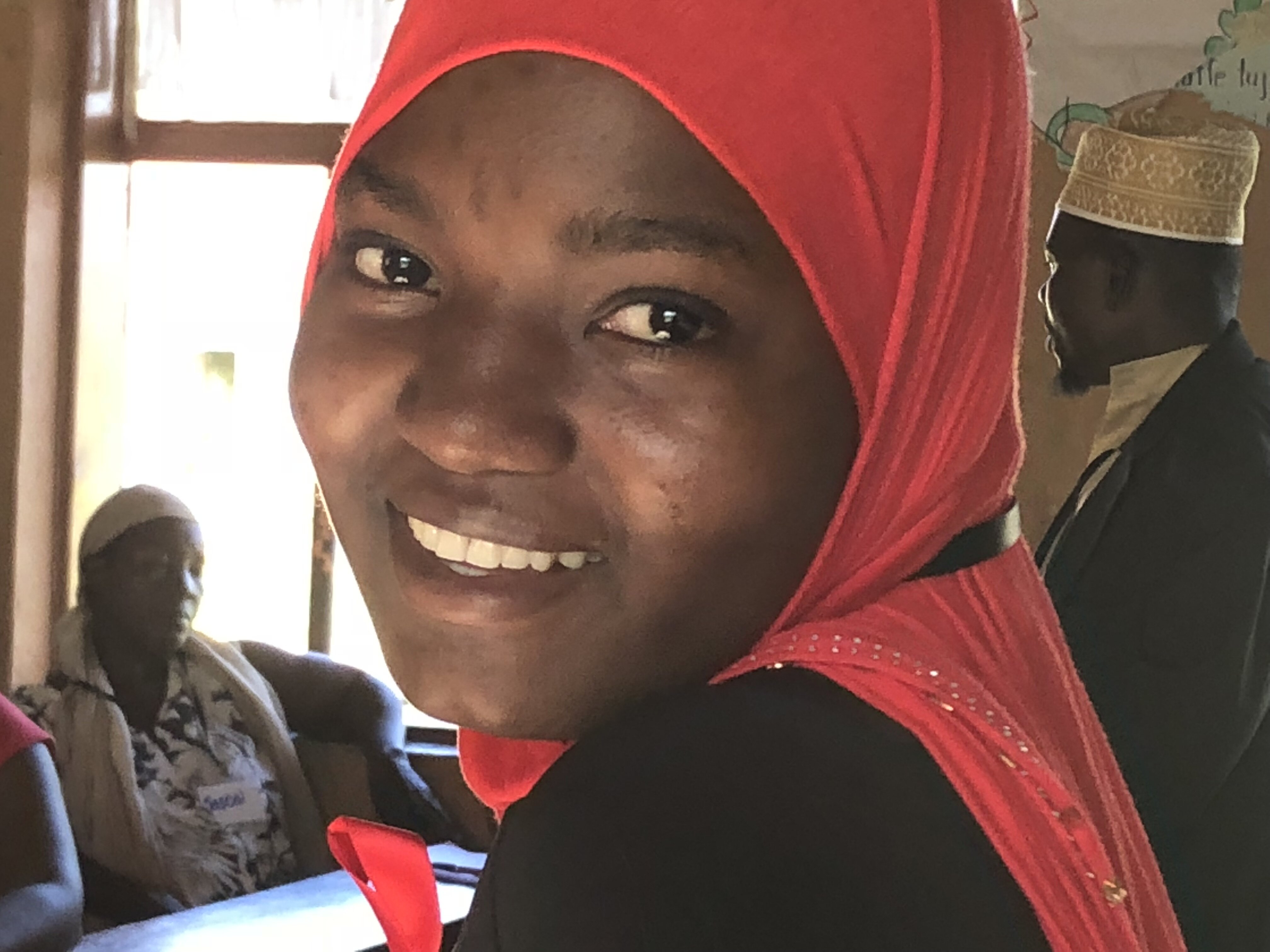
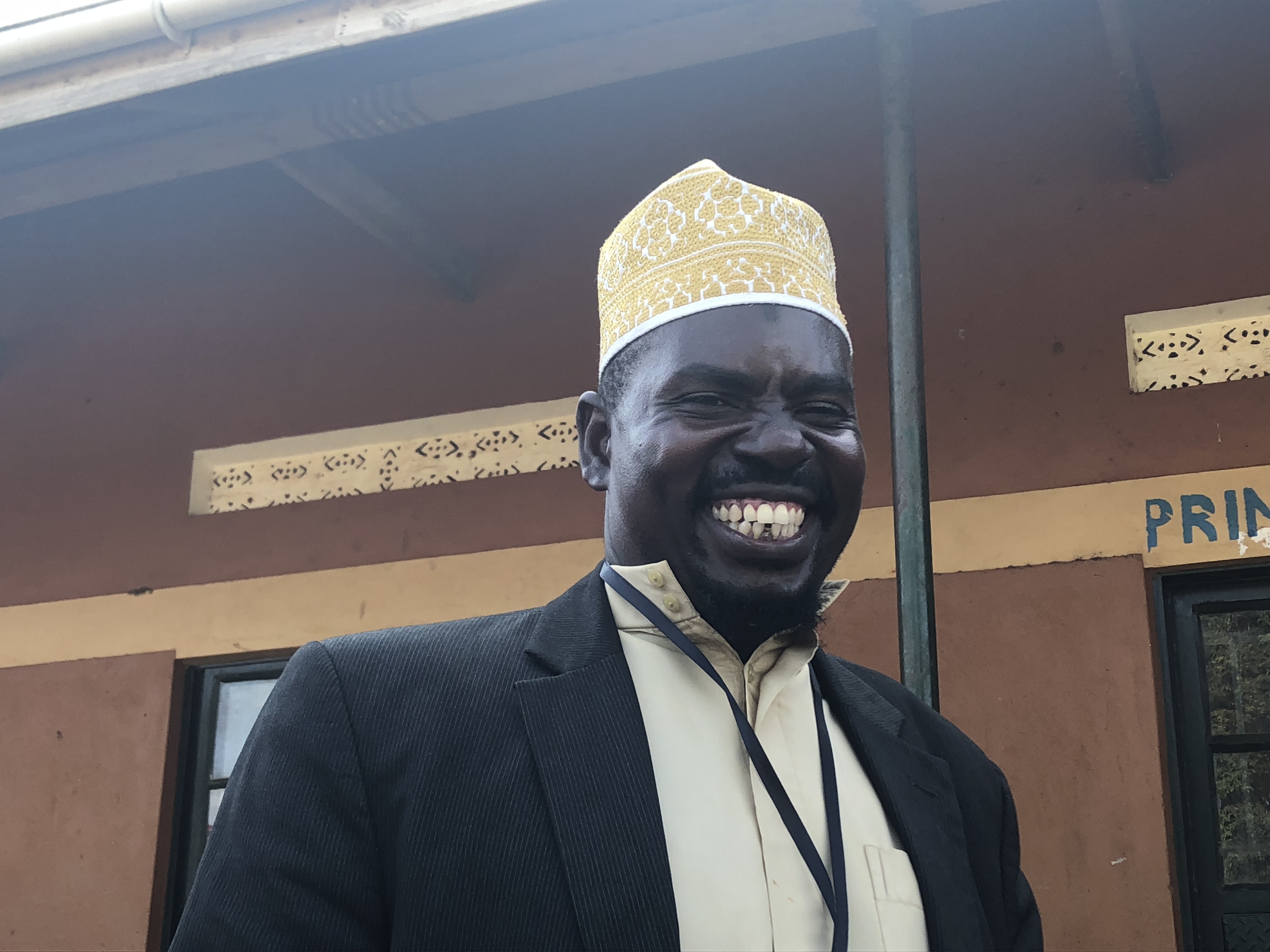
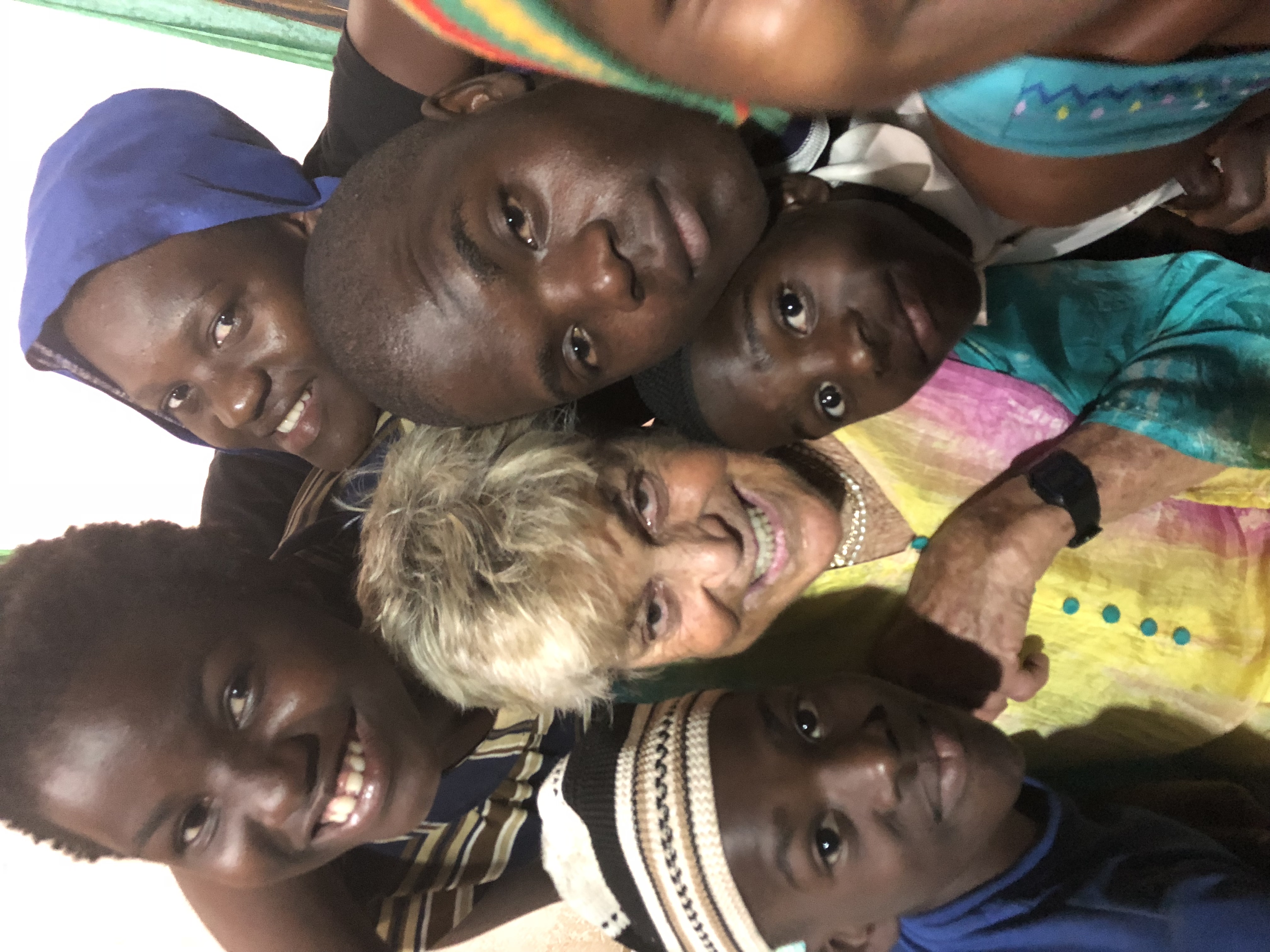
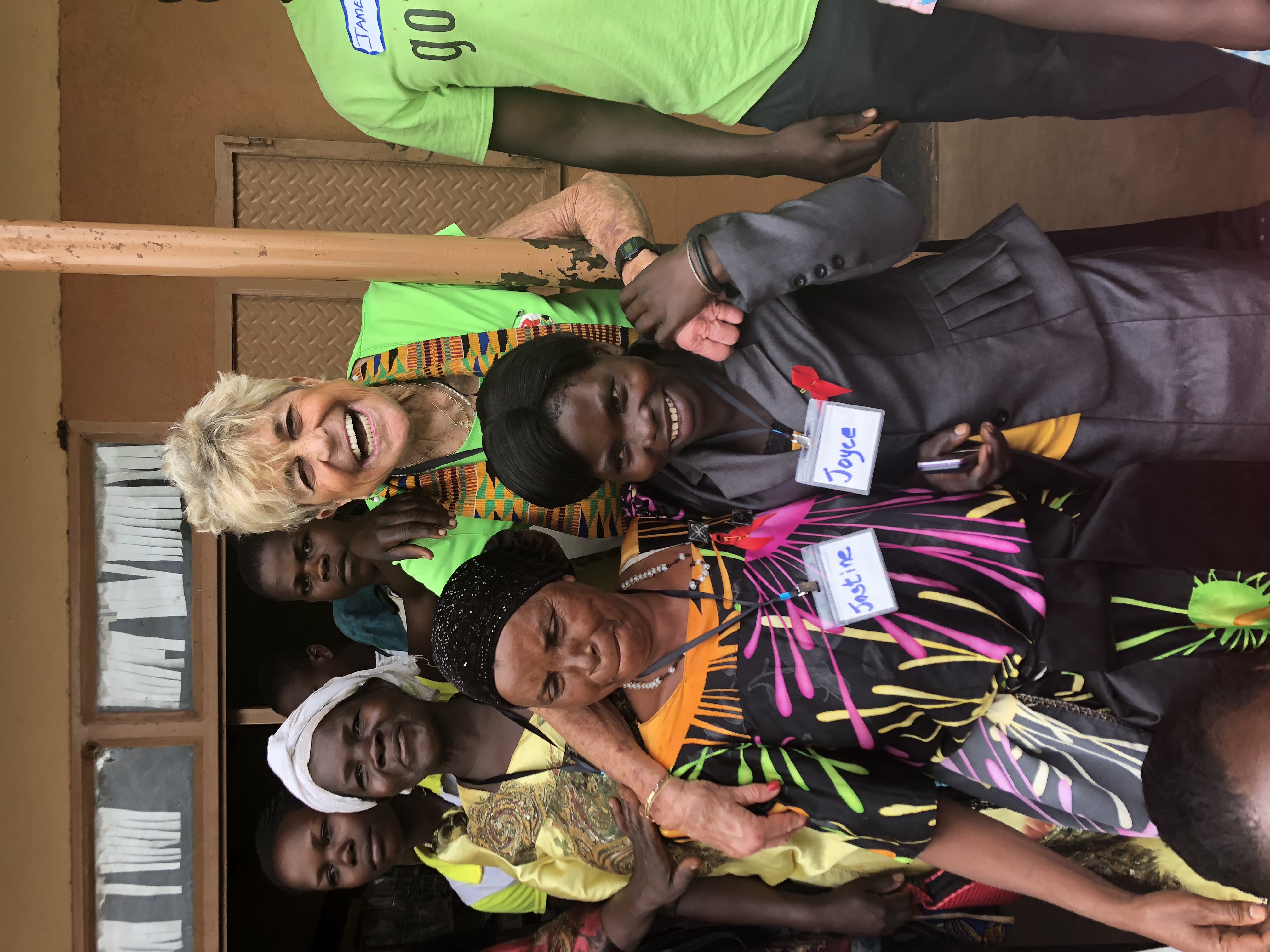
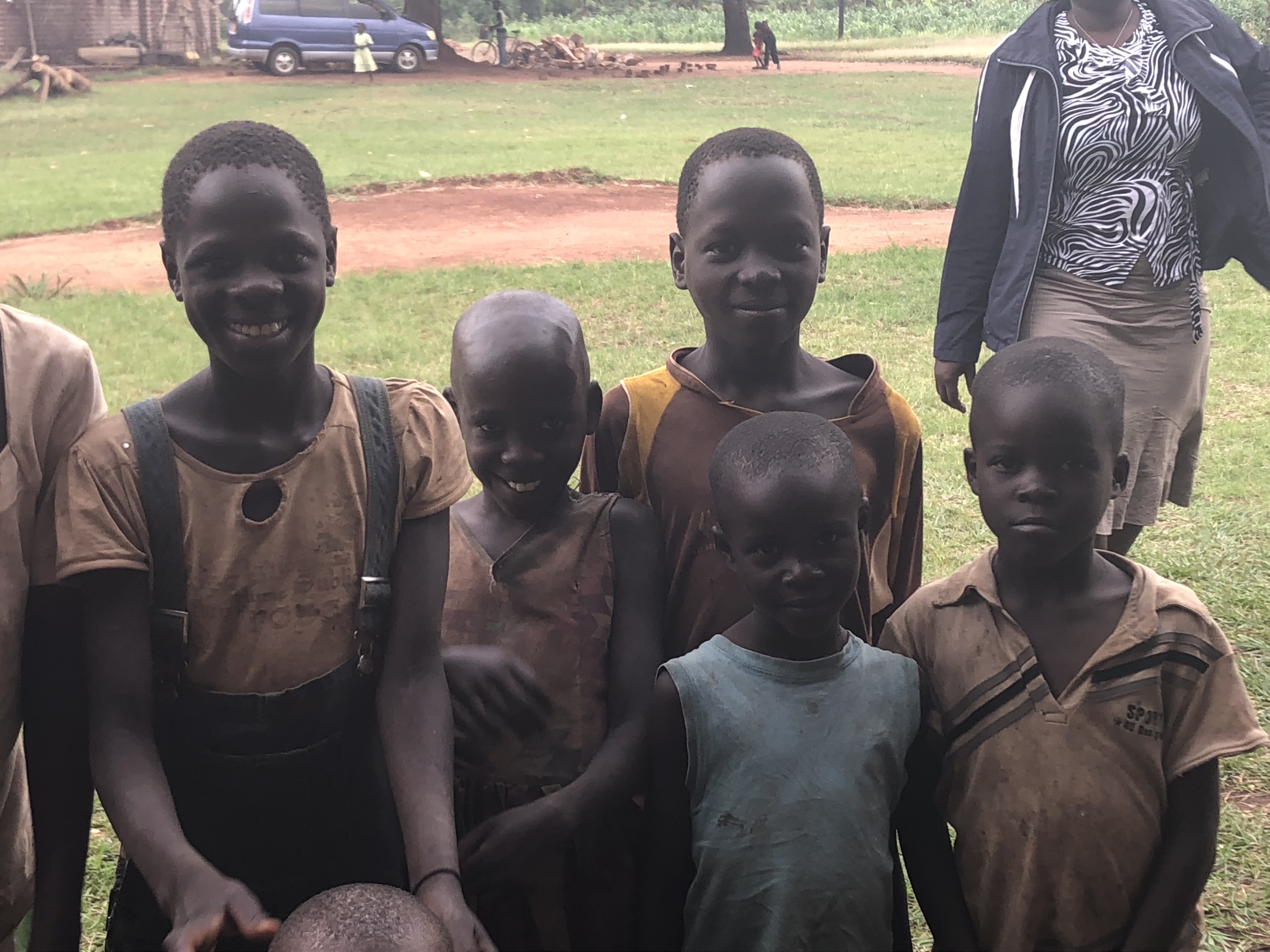
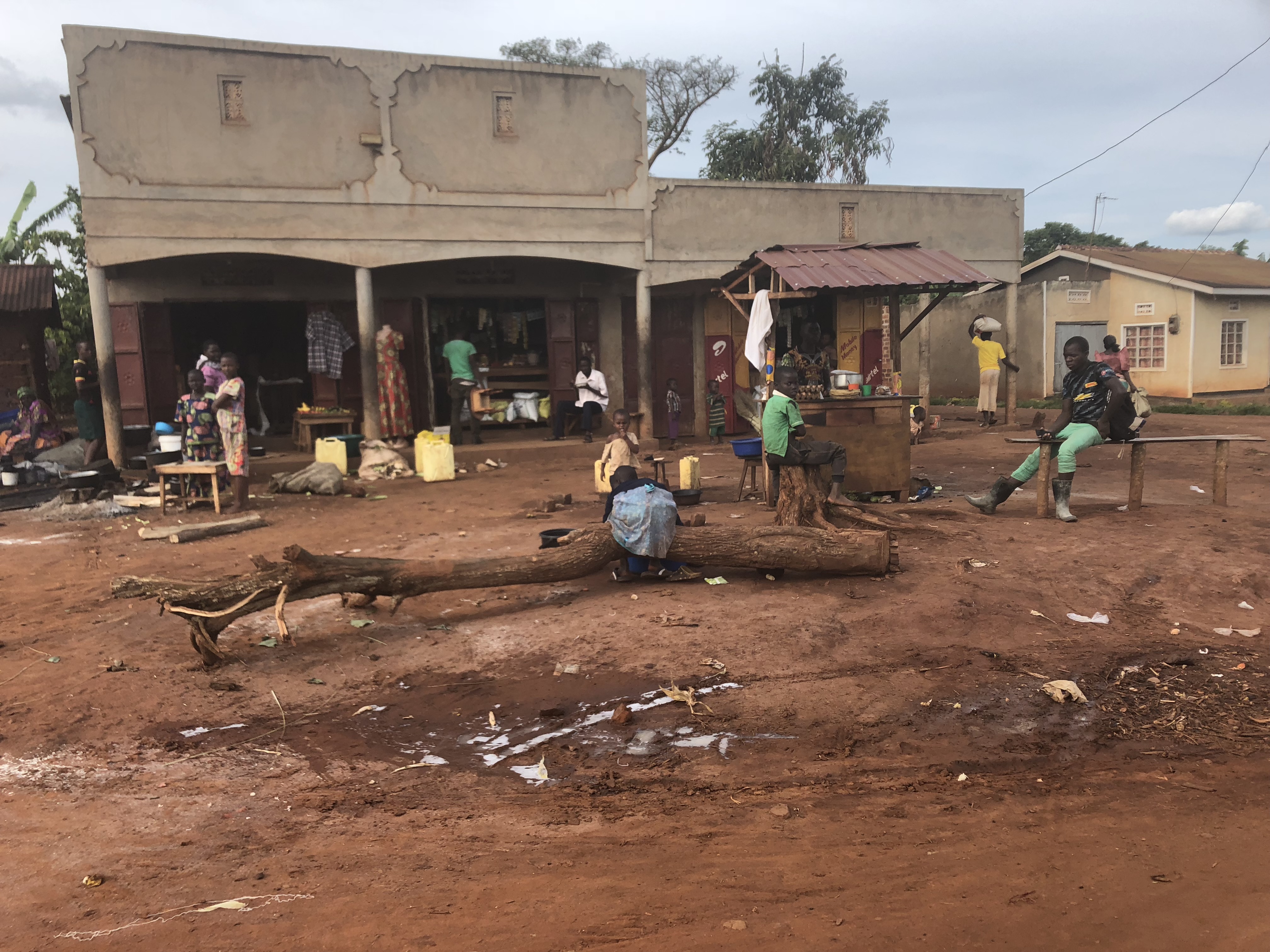
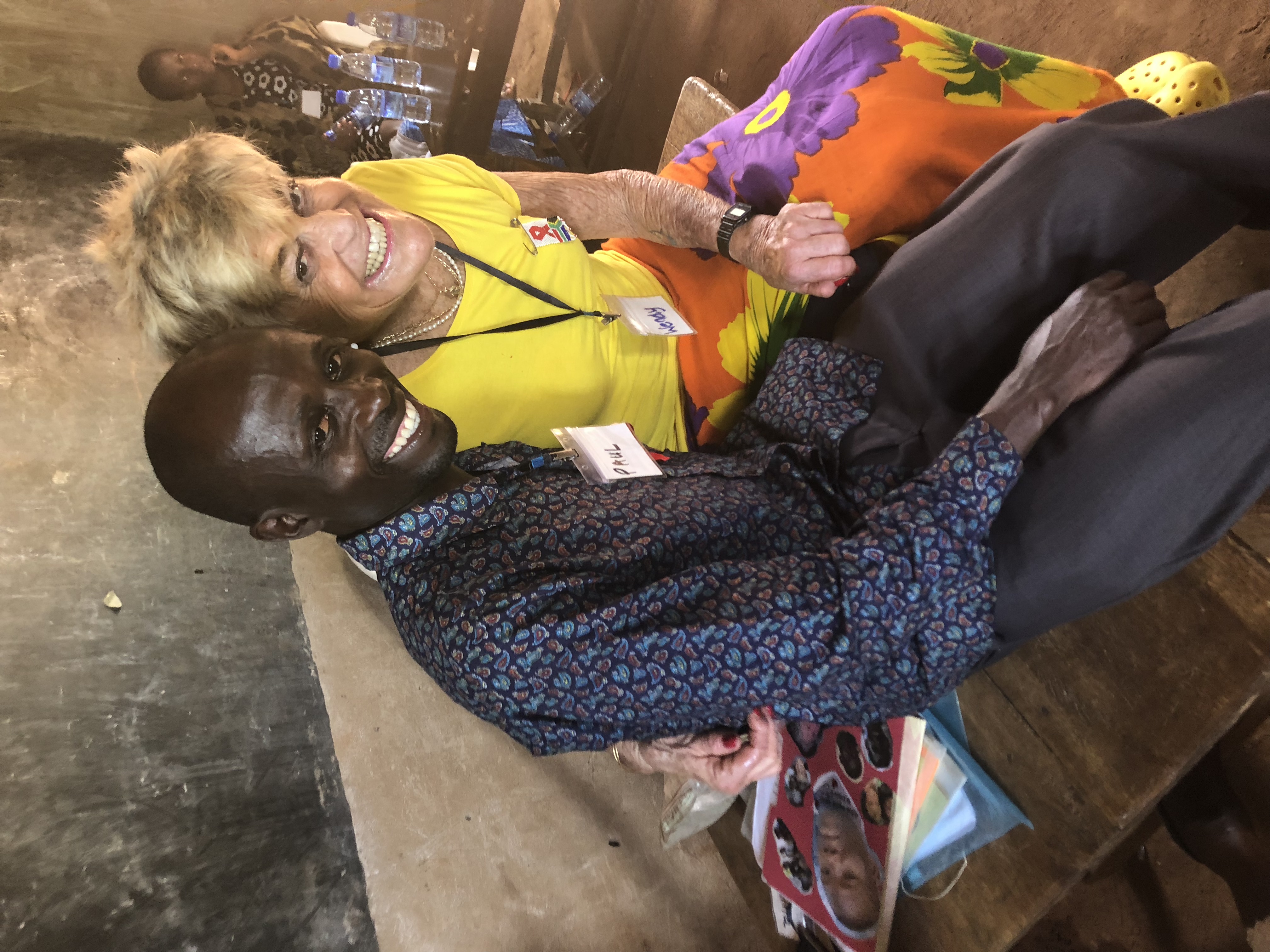
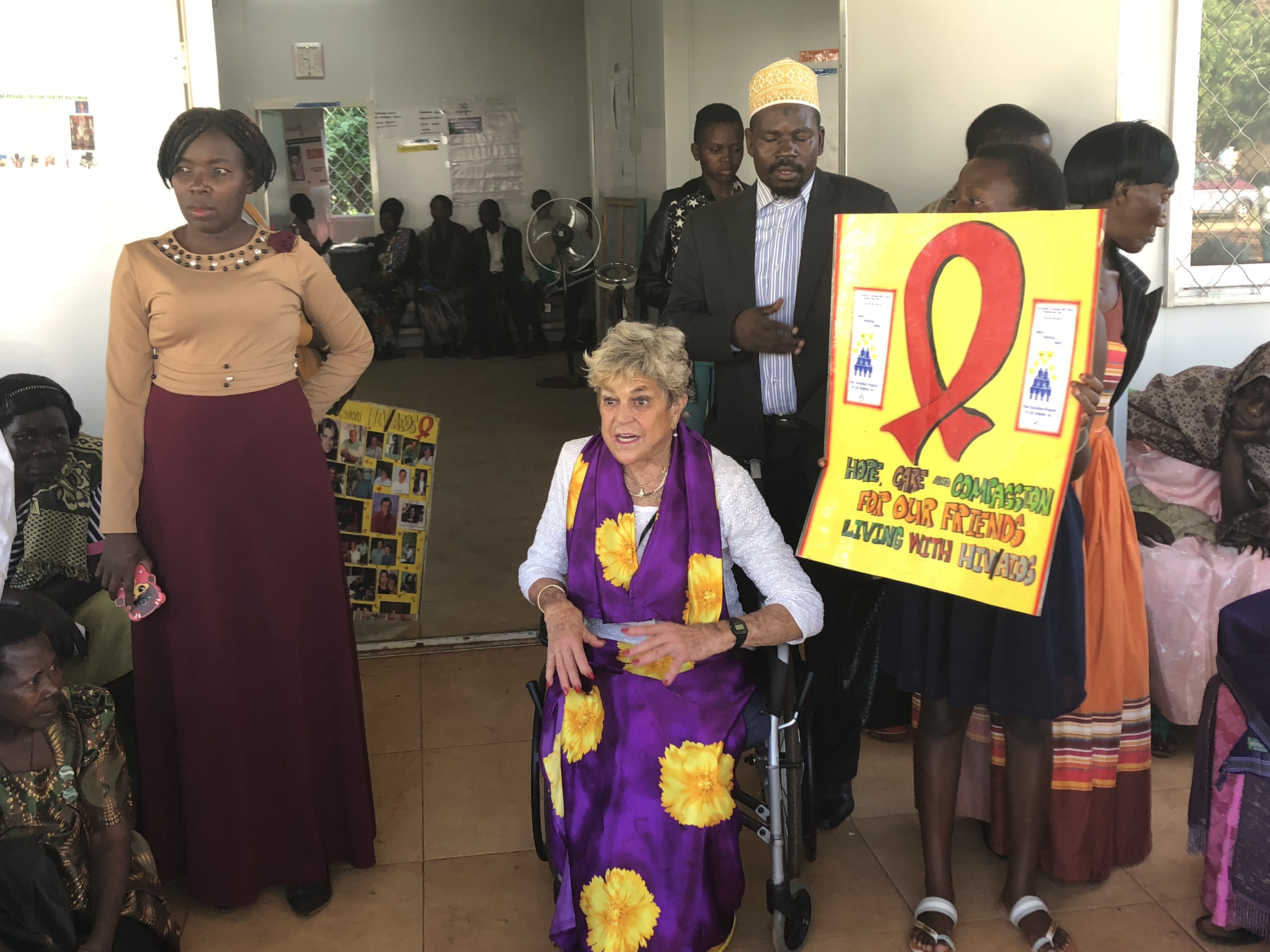
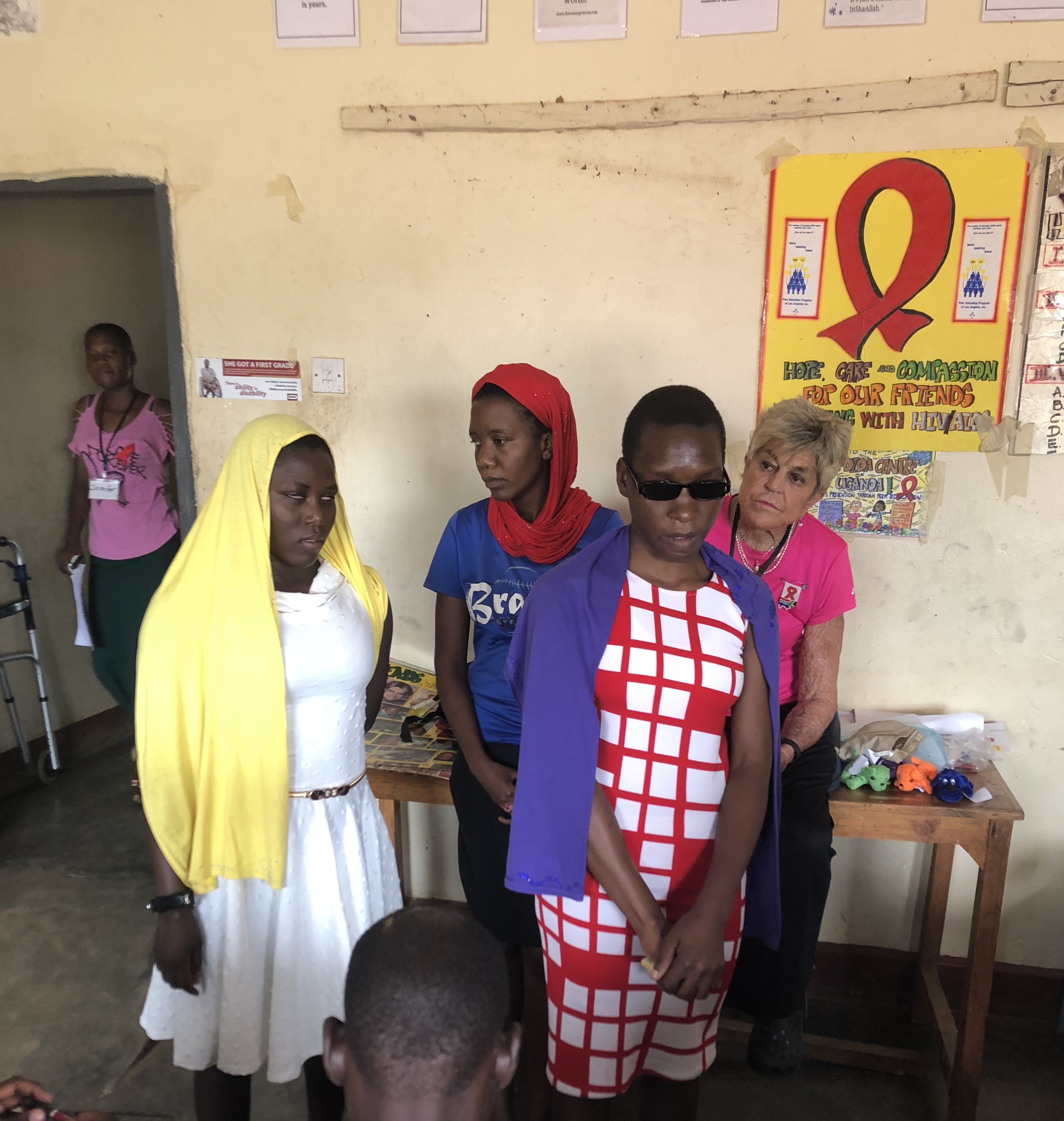
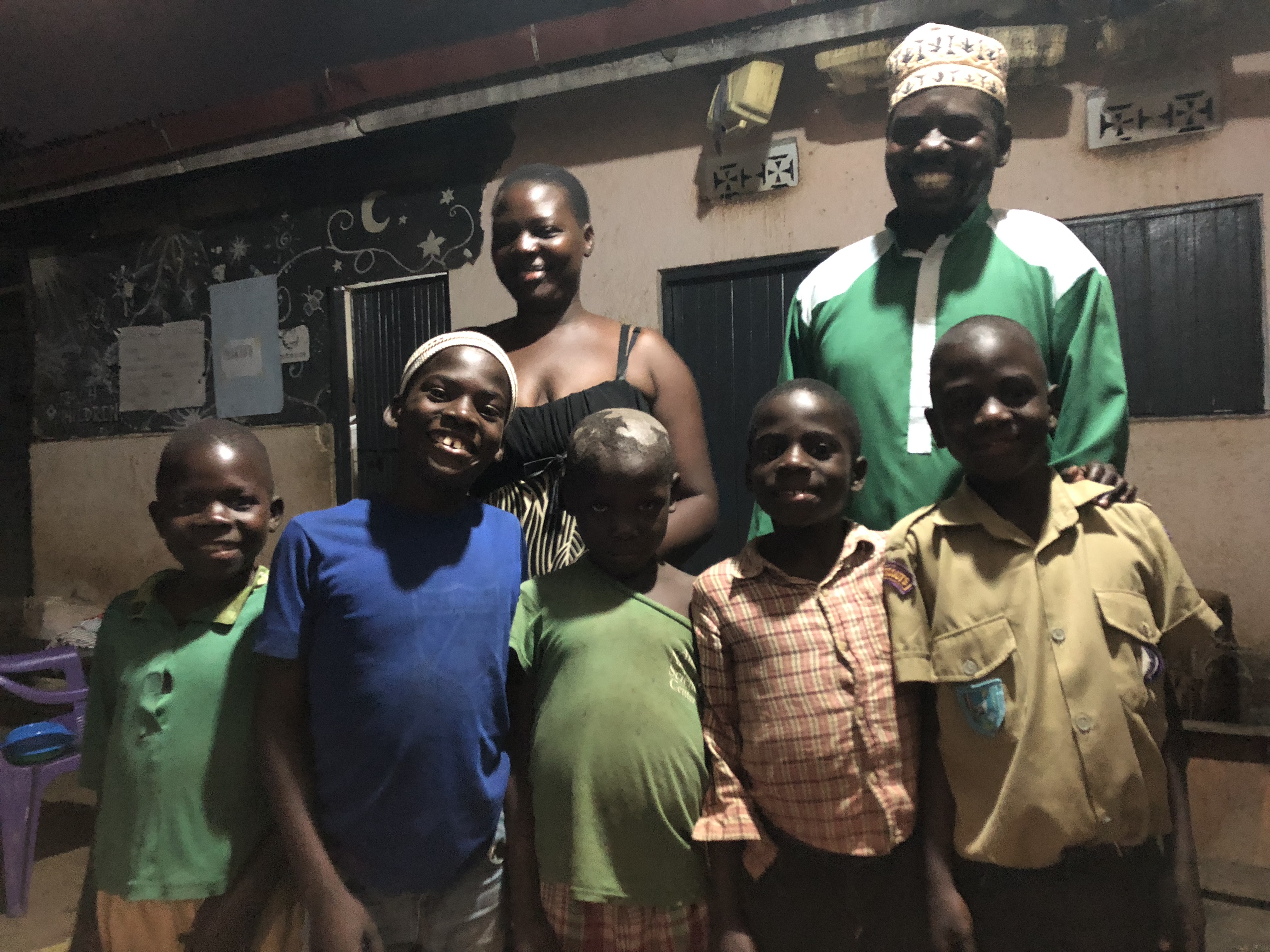
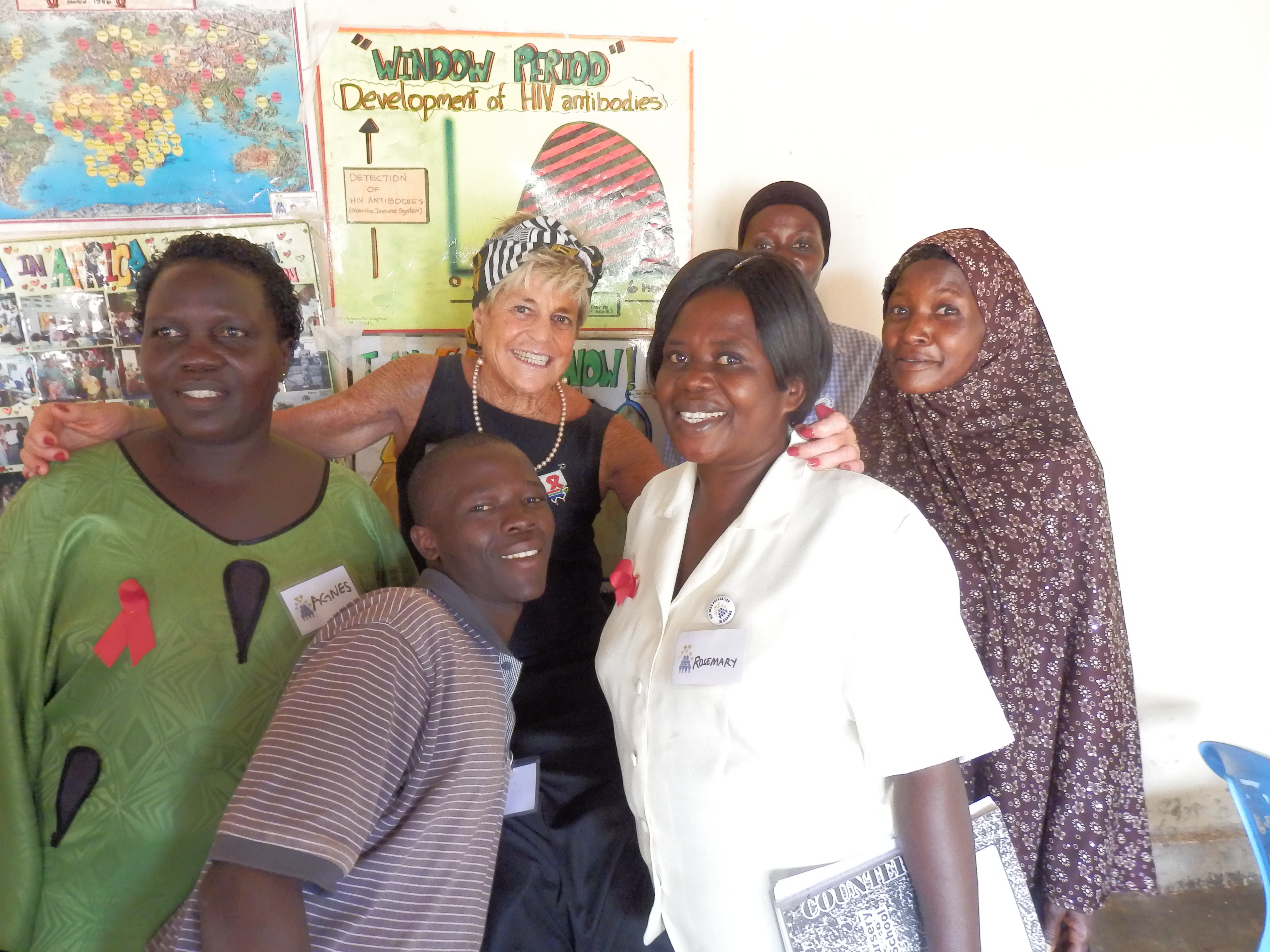
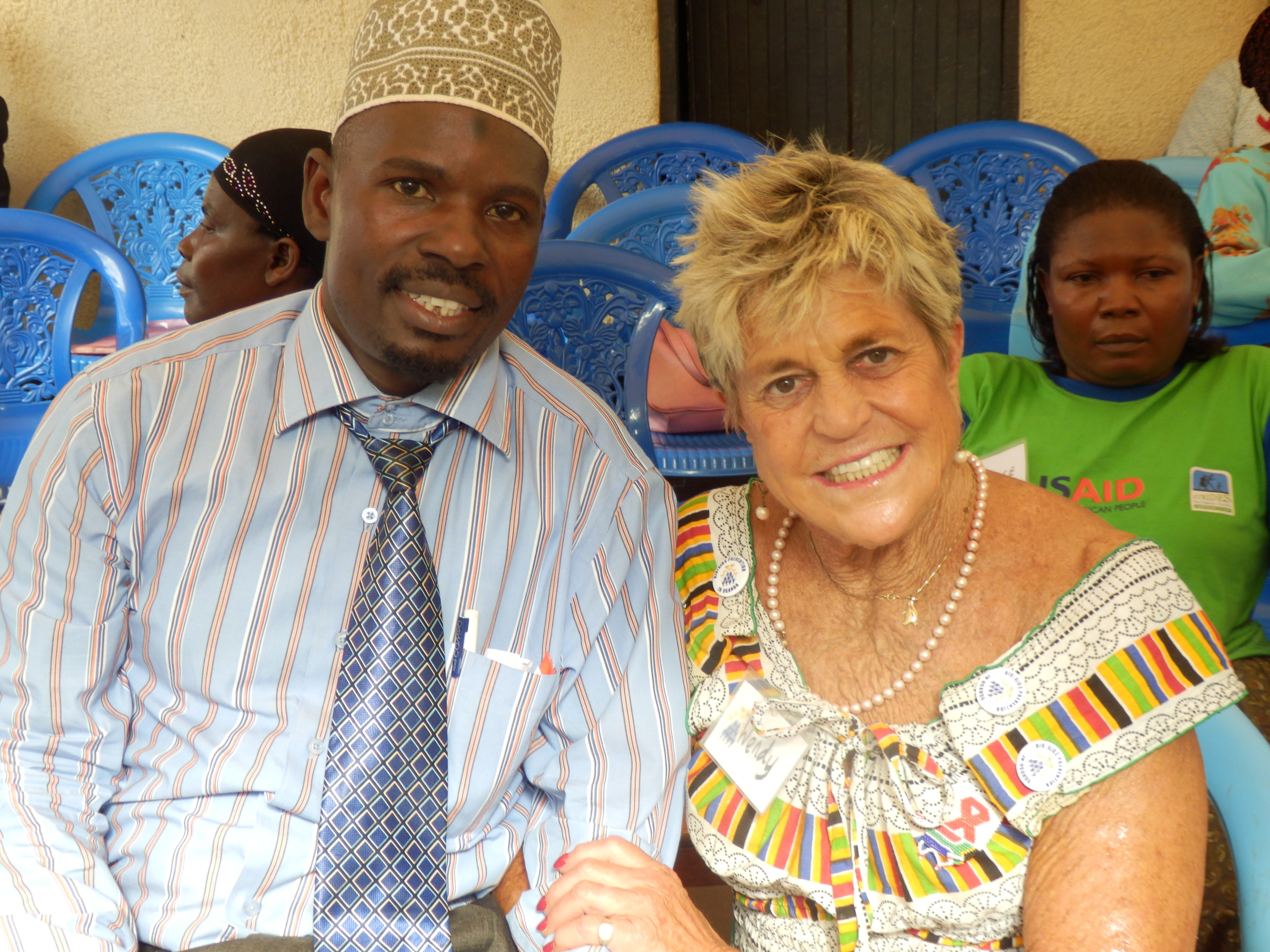
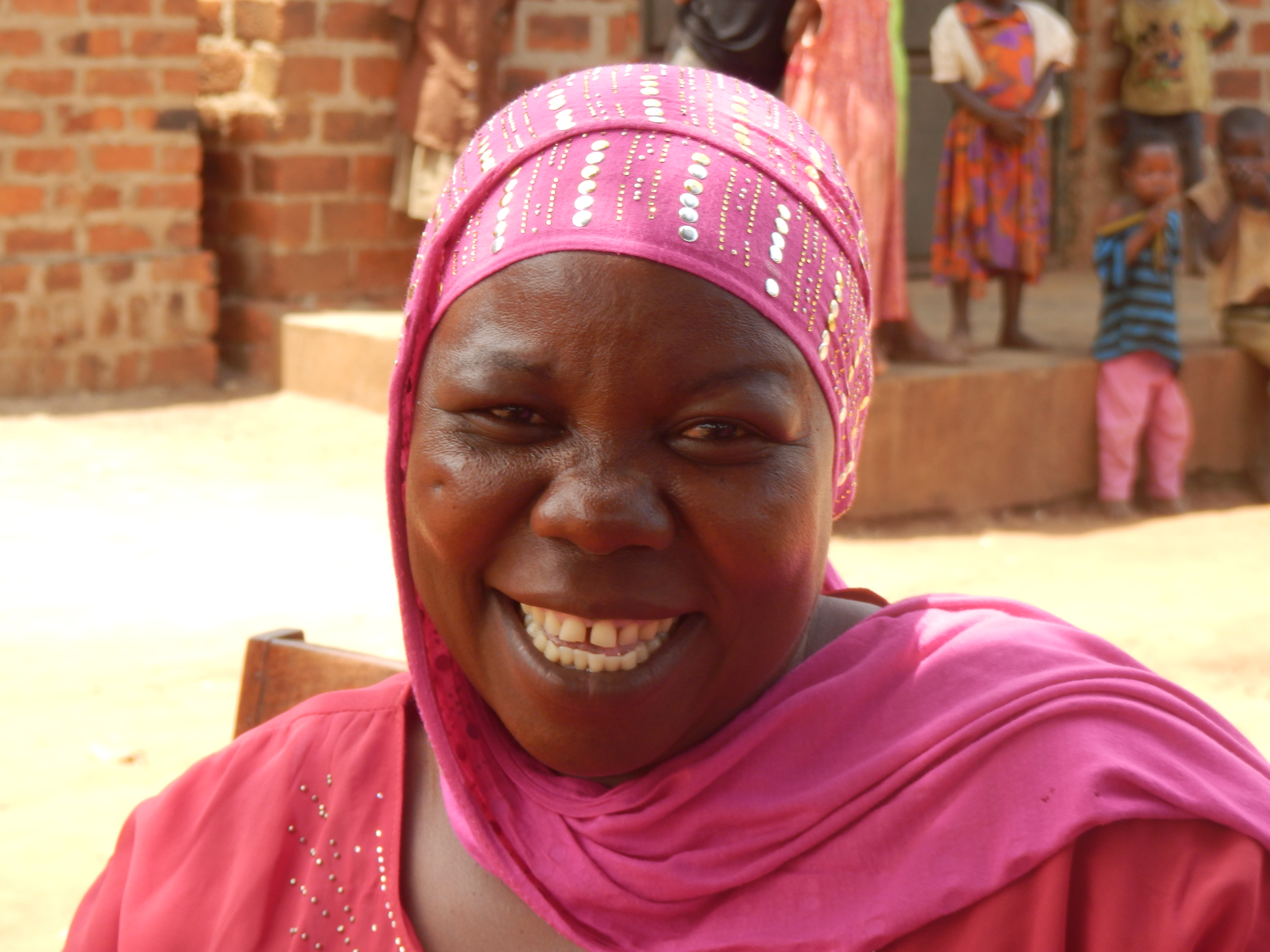
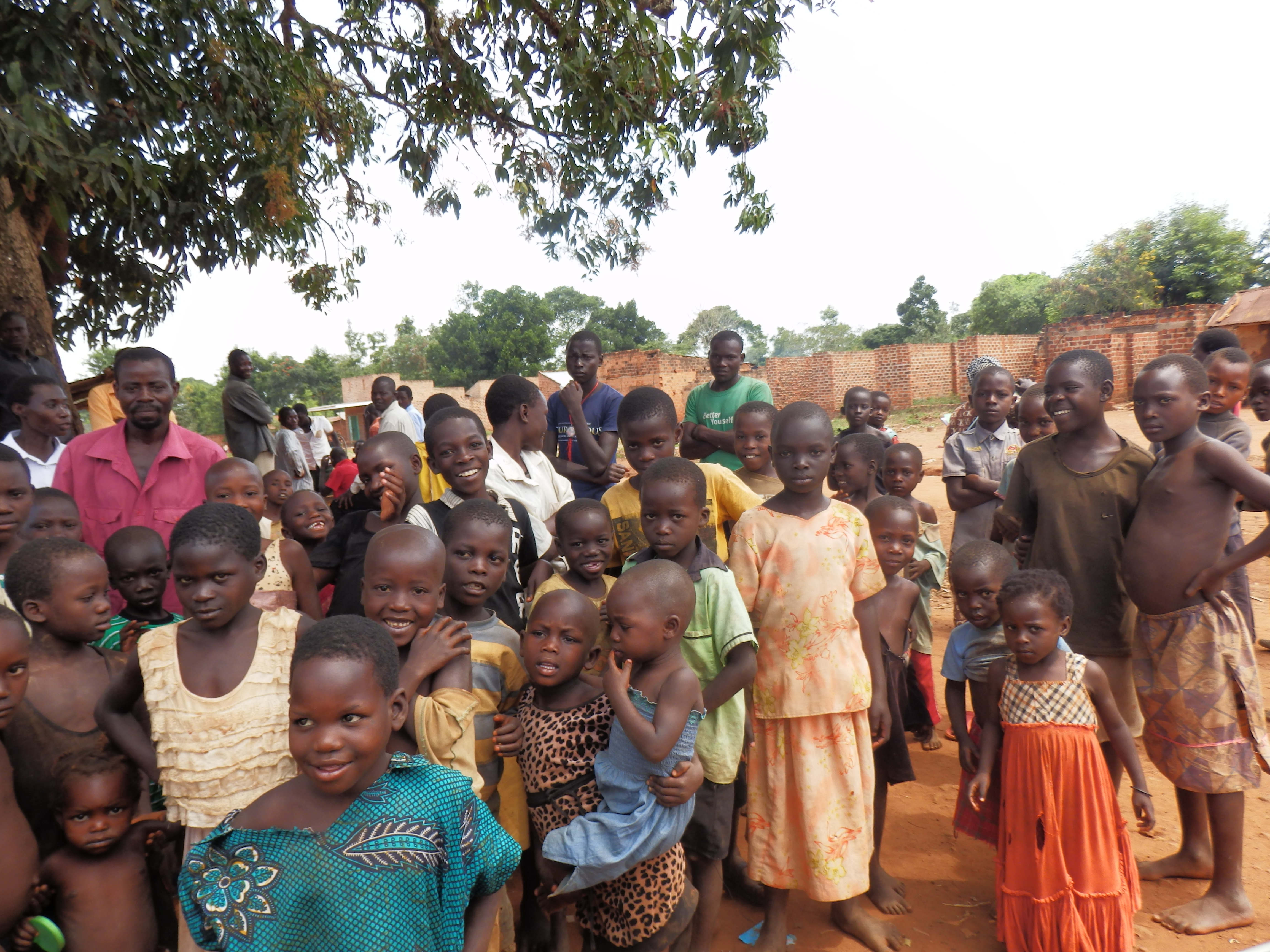
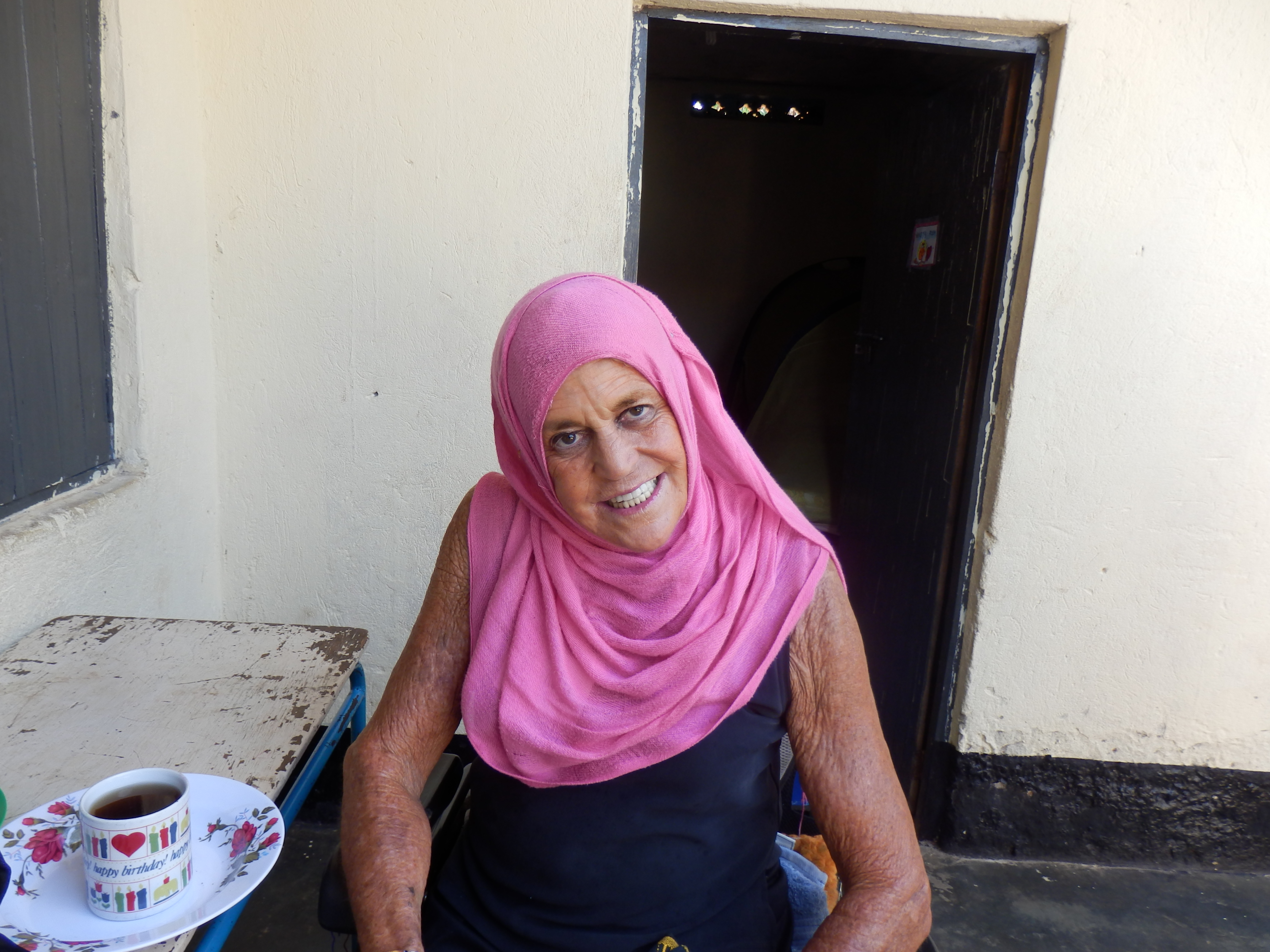
Our website serves as an introduction to PEP/LA and PEP/International. Our photographs share the enthusiasm, commitment and passion of genuine people who will not only help to reduce to the transmission of HIV but they will also help stop the discrimination and isolation of our friends living with HIV/AIDS.
We are encouraged with our progress, yet still have so much to do...
Wendy Arnold, M.P.H.

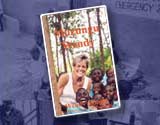
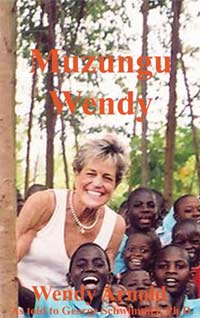
"Muzungu Wendy" Now Available!
(From Amazon.com) "After experiencing the wrenching deaths of several friends from AIDS, Wendy Arnold decides she has to do something and eventually creates the non-profit Peer Education Program of Los Angeles, which furnishes information about HIV/AIDS transmission and prevention, using peer educators. Eventually, she takes the program to 28 countries.
This is a very personal account, told in the first person, allowing the reader to participate in the anguish and determination of a woman who has been driven to help stop the carnage of AIDS by providing very clear and simple information around the world on how to prevent infection.
Ms. Arnold began her work soon after AIDS was diagnosed in the ‘80s but before the medical establishment knew what it was dealing with. She became aware of the disease when a neighbor was infected, and she watched him die. She later saw other friends die, and finally stopped counting the dead when their number reached two hundred.
A short background and the path she followed on her thirty-year journey are also included, as are some of her both frustrating and very rewarding journeys to several African countries to provide information and set up peer counseling groups.
If a reader wants to experience what it is like to be in the trenches with an extraordinary woman fighting AIDS and dealing with both death and the triumph of the human spirit, this is the book to read."
Muzungu Wendy (Kindle Edition) is available now at Amazon.com!
World AIDS Orphan Day
For more information, click on the Hope Logo
|